




Knowing exactly what to do after a car accident in Los Angeles can mean the difference between a fully compensated claim and a denied one. According to the National Highway Traffic Safety Administration (NHTSA), more than 6 million police-reported crashes occur on U.S. roads each year, and California consistently leads the nation in total collisions. The minutes that follow a crash on the 405, the 101, or a Wilshire Boulevard intersection are chaotic — but they are also when the most important evidence is captured, the most damaging statements are made, and the most expensive mistakes are committed.

What Should You Do in the First 60 Seconds After a Crash?
The first minute on scene is dedicated to one thing: preventing a second collision and a worse injury. If your vehicle is drivable and you are not seriously hurt, the California Highway Patrol recommends moving it to the shoulder, activating hazard lights, and stepping behind the guardrail before any conversation begins. On a freeway like the 110 or the 10, secondary crashes cause a disproportionate share of fatalities, and standing between two cars in a live lane is one of the deadliest things a driver can do.
Once you are safely off the roadway, take a breath and run a quick self-assessment. Adrenaline masks pain, and the Centers for Disease Control and Prevention (CDC) reports that motor vehicle crashes are the second leading cause of traumatic brain injury — meaning a driver who feels “fine” may already have a concussion. If you suspect any head impact, neck stiffness, or loss of consciousness, sit still and wait for paramedics rather than walking around the scene. A consultation with a brain injury attorney later may depend on whether you let EMTs document symptoms in those first minutes.
Call 911 even if the crash seems minor. A police-generated traffic collision report is the single most influential document in any future claim. Officers note vehicle positions, statements, citations, and apparent fault — details that are nearly impossible to reconstruct days later when memories fade and skid marks wash away.
What Does California Law Require Drivers to Do at the Scene?
California treats post-accident conduct as a legal duty, not a courtesy. Under California Vehicle Code § 20001, any driver involved in an accident resulting in injury or death must immediately stop at the scene; failure to do so is a felony hit-and-run carrying up to four years in state prison. Even property-damage-only crashes trigger CVC § 20002, which requires the driver to stop, exchange information, or leave a written notice if the owner is unavailable.

Drivers must also exchange specific information: name, current address, driver license number, vehicle registration, and insurance carrier. Refusing to provide this information — or providing false information — exposes a driver to additional criminal liability and can become powerful evidence of consciousness of fault in a civil trial. The same statute requires drivers to render reasonable assistance to anyone injured, including arranging transport to a hospital when necessary.
If the crash involves any injury, no matter how minor it seems, California law also requires a written report to the DMV (Form SR-1) within 10 days under CVC § 16000 whenever damage exceeds $1,000 or anyone is hurt. Missing that 10-day window can lead to license suspension and complicate the underlying personal injury claim because insurers point to the missed filing as evidence of inconsistent reporting.
Who Is Liable for a Los Angeles Car Accident?
Identifying every potentially liable party is one of the most important strategic decisions made in the first 72 hours of a case. Los Angeles is unique because of its density of commercial vehicles, rideshare drivers, and government-owned road infrastructure — meaning a single rear-end crash on Sepulveda may involve a private driver, a corporate employer, an Uber Technologies entity, and the City of Los Angeles all at once.
Common liable parties in California car accident cases include:
- The other driver — under California’s “pure comparative fault” rule, any driver whose negligence contributed to the crash can be sued, even if you were partially at fault yourself.
- An employer — if the at-fault driver was working at the time, the doctrine of respondeat superior places liability on the company that dispatched them.
- A rideshare company — Uber and Lyft carry $1 million liability policies that may apply when their app is active; an experienced Uber accident lawyer can determine which coverage period applies.
- A vehicle or parts manufacturer — defective airbags, tires, or brakes shift liability to the manufacturer under California product liability law.
- A government entity — broken traffic signals, missing stop signs, and dangerous road designs trigger Government Claim Act liability, but only if a written claim is filed within six months.
- A bar or social host — California Civil Code § 1714 imposes limited liability on those who serve alcohol to obviously intoxicated minors.
Because each defendant carries different insurance limits and different procedural deadlines, a thorough investigation in the first weeks is essential. A Los Angeles personal injury lawyer will typically subpoena phone records, dashcam footage from rideshare vehicles, and traffic-signal maintenance logs from the city before that evidence is overwritten.
How Much Is a California Car Accident Claim Worth?
Claim value in California depends on three categories of damages: economic, non-economic, and — in cases of egregious conduct — punitive. Economic damages cover quantifiable losses like medical bills, lost wages, and future earning capacity. Non-economic damages compensate pain, suffering, disfigurement, and loss of enjoyment of life. Both categories are uncapped in standard auto cases, which is why catastrophic-injury settlements in the Greater Los Angeles area routinely cross seven figures.

Soft-tissue injuries with full recovery commonly settle in the $15,000–$50,000 range. Broken bones requiring surgery can range from $75,000 to $300,000 once future care is included. Cases involving a traumatic brain injury, spinal-cord damage, or wrongful death routinely exceed $1 million, particularly when a commercial defendant or rideshare carrier is involved and policy limits are higher. The California car accident attorney handling the file will work with life-care planners and economists to project future medical expenses across the victim’s lifetime — a step many self-represented claimants skip, leaving substantial money on the table.
Insurance adjusters routinely make a “first call” offer within 7–14 days of the crash. These early offers almost always undervalue the claim because the full extent of injury — especially soft-tissue and head trauma — is not yet medically documented. Following the strategy outlined in our guide on what to do after a car accident in California, victims should never accept a settlement before they have reached “maximum medical improvement,” the point at which doctors can finally project long-term consequences.
California Car Accidents Statistics
Understanding the scale of the problem reinforces why immediate, deliberate action matters. The numbers from California’s official traffic-safety agencies and federal regulators are sobering:
- California recorded 4,285 traffic fatalities in the most recent annual report from the California Office of Traffic Safety, the highest total in more than 15 years.
- The state sees over 200,000 injury crashes annually, according to the California Statewide Integrated Traffic Records System.
- Los Angeles County alone accounts for roughly 55,000+ injury and fatal crashes per year — more than any other county in the United States.
- The NHTSA estimates the average economic cost of a non-fatal disabling crash at $155,000 per victim, a figure that climbs into the millions for catastrophic injuries.
- Approximately 30% of California fatal crashes involve a driver with a blood-alcohol content above the legal limit, according to NHTSA’s Fatality Analysis Reporting System.
These statistics underline why every minute after a crash is consequential. The volume of collisions in Beverly Hills, downtown, and the surrounding freeways means insurance carriers process Los Angeles claims at scale — and they rely on victims making preventable mistakes in the first 24 hours.
Source: Compass Law Group | Car Accidents

Steps to Take After a Car Accident
The actions you take in the hours and days after the crash often matter more than what happens at trial two years later. Use this checklist as your post-accident playbook:
- Call 911 immediately — request both police and paramedics, even if injuries seem minor; the official report is your most important evidence.
- Document the scene with photos and video — capture all vehicles, license plates, skid marks, traffic signs, weather conditions, and visible injuries from multiple angles before vehicles are moved.
- Exchange information and identify witnesses — collect names, phone numbers, addresses, insurance details, and contact information for anyone who saw the crash, because witnesses disappear within hours.
- Seek same-day medical evaluation — go to the ER or an urgent-care clinic the day of the crash so injuries are linked in the medical record to the collision, not to a “delayed onset” the insurer can dispute.
- Notify your insurance carrier — but say nothing recorded — report the accident promptly to comply with your policy, but politely decline any recorded statement until you have spoken with counsel.
- Preserve all evidence and records — keep damaged property, save medical bills, track every mile driven for treatment, and note missed work; these records build the economic damages calculation.
- Contact a Los Angeles car accident attorney — schedule a free consultation before the at-fault insurer offers a quick settlement, ideally within the first week.

How Compass Law Group Builds Your Case
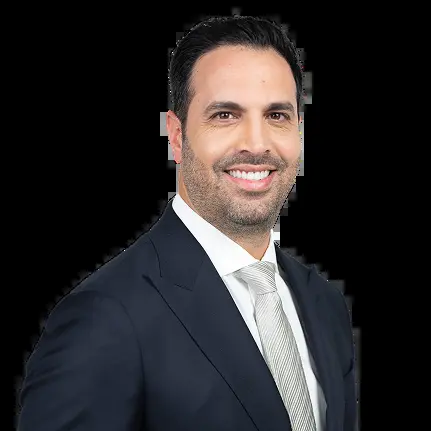
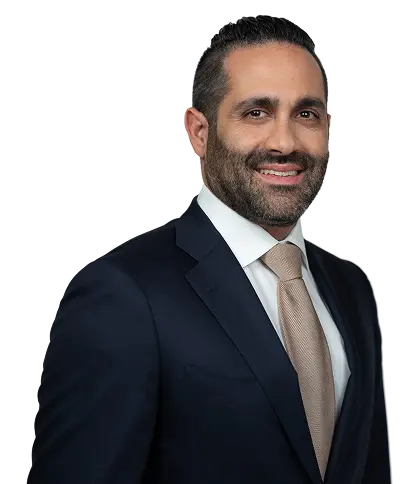
For more than a decade, Compass Law Group has recovered over $250 million for clients across California—from Los Angeles to San Francisco, Long Beach to Sacramento. Managing partners Joseph Shirazi and Simon Esfandi have built the firm around a simple principle: families harmed by corporate negligence deserve a legal team that can match the resources of any defendant manufacturer or insurance carrier.
Our approach begins with a free, no-obligation consultation in which we listen, review the facts, and explain your options in plain language. If we accept your case, we work on a contingency basis—you pay nothing unless we recover for your child. We retain qualified engineers, biomechanical specialists, pediatric neurologists, and life-care planners early in the process, and we issue formal preservation letters within days to lock down the physical evidence. Many of the strategies and case studies we discuss in our recent articles draw directly from the playbook we apply to every product liability matter.
We litigate aggressively and prepare every file as if it will go to trial, which is precisely why most resolve favorably without one. When a manufacturer refuses fair compensation, we are ready in the courtroom—and our results reflect it.
Q: Should I call the police after a minor fender-bender in Los Angeles?
Yes, in nearly every case. Even if both drivers seem fine, California Vehicle Code § 20008 requires reporting any accident with injury within 24 hours, and a CHP or LAPD report creates a neutral, time-stamped record of the scene. Adjusters routinely dispute “soft” facts — direction of travel, light color, speed — and a police report is the single strongest piece of objective evidence. Calling 911 also triggers a paramedic response, which produces a contemporaneous medical record if you later develop pain.
Q: Do I have to give the other driver’s insurance company a recorded statement?
No. You are legally required to cooperate with your own insurer, but you have no obligation to provide a recorded statement to the at-fault driver’s carrier. Adjusters use these statements to lock you into early descriptions of injuries and fault before all symptoms have emerged. Politely decline, take their contact information, and have your attorney handle communication. This single step preserves leverage and prevents inconsistent statements from being used against you in negotiation or at trial.
Q: What if I cannot afford to see a doctor right after the crash?
Many California personal injury attorneys, including Compass Law Group, work with medical providers who treat injured clients on a “lien” basis — meaning the provider waits to be paid until the case settles. This allows victims with no health insurance and no out-of-pocket funds to receive immediate, high-quality care. Additionally, your own auto policy’s MedPay coverage typically pays medical bills regardless of fault. Never delay treatment because of cost; delayed care is the most common reason claims are devalued.
Q: Can I still recover money if I was partially at fault for the accident?
Yes. California follows a “pure comparative fault” rule, meaning you can recover damages even if you were 99% at fault — your award is simply reduced by your percentage of responsibility. A driver found 30% at fault for failing to signal who suffers $100,000 in damages would still recover $70,000. This generous rule is one reason early case strategy matters; insurers often inflate the victim’s share of fault by 10–20% in initial offers to suppress settlement value.
Q: How long do I have to hire a lawyer after a Los Angeles car accident?
You generally have two years from the date of the crash under CCP § 335.1, but waiting that long is a costly mistake. Witnesses move, surveillance footage from gas stations and businesses overwrites every 30–90 days, and vehicle “black box” data can be lost when totaled cars are scrapped. Government claims must be filed in just six months. Most attorneys recommend retaining counsel within the first two weeks. Compass Law Group offers free same-day consultations through our legal blog intake line and main phone number.
Get Your Free Consultation Today
If you or a loved one was injured in a Los Angeles car accident, the team at Compass Law Group, LLP is ready to evaluate your case at no cost. No Win, No Fee — you pay nothing unless we recover for you.