





Your Battle, Our Compass:

Los Angeles Sexual Abuse Lawyer

Injured in a sexual abuse in Los Angeles? With 3.9 million residents and 55,000+ annual collisions, our attorneys handle every type of sexual abuse case. Call (213) 516-9809. See all our California office locations.


TL;DR — Los Angeles Sexual Abuse Lawyer
Compass Law Group represents sexual abuse victims across Los Angeles. Our firm has recovered $250,000,000+ for injury victims. No win, no fee. Free 24/7 consultation in English, Spanish, Farsi, and Korean at (213) 516-9809. See all Los Angeles practice areas. Past results do not guarantee future outcomes.

Practice Areas We Handle in Los Angeles

View All 14 Practice Areas+

Los Angeles Sexual Abuse Lawyers: Standing with Survivors in Pursuit of Justice

California has enacted the strongest survivor protection laws in the United States, and Los Angeles survivors have more legal options today than at any point in history. In 2019, the California Legislature passed Assembly Bill 218 (AB 218), which eliminated the statute of limitations for childhood sexual abuse claims and opened a three-year revival window allowing survivors to bring claims that had previously been time-barred—regardless of how long ago the abuse occurred. This landmark legislation reflected what survivors and advocates had long demanded: that institutions which enabled abuse should never escape accountability simply because a child was too traumatized to speak up within an arbitrary deadline.

Sexual abuse occurs across every institution in Los Angeles—churches and religious organizations, public and private schools, foster care systems, youth sports programs, the entertainment industry, medical facilities, and workplaces. Survivors of abuse in these settings often carry the psychological burden in silence for years or decades before seeking legal recourse. At Compass Law Group, our Los Angeles personal injury lawyers approach every sexual abuse case with the sensitivity, confidentiality, and unwavering commitment that survivors deserve. We understand that coming forward is one of the most difficult decisions a person can make, and we are here to make sure that decision leads to meaningful accountability and compensation. Our sexual abuse attorneys have experience holding powerful institutions responsible for the harm they caused or enabled, and we handle every case with the discretion and compassion that this deeply personal area of law demands.

Why Choose Compass Law Group for Your Los Angeles Sexual Abuse Case?

  • Absolute confidentiality at every stage — We understand that privacy is paramount for survivors. Your identity, your story, and every detail of your case are protected with the highest level of confidentiality. California law allows many sexual abuse cases to be filed under a pseudonym (as a “Doe” plaintiff), and we pursue that protection whenever possible to shield survivors from public exposure.
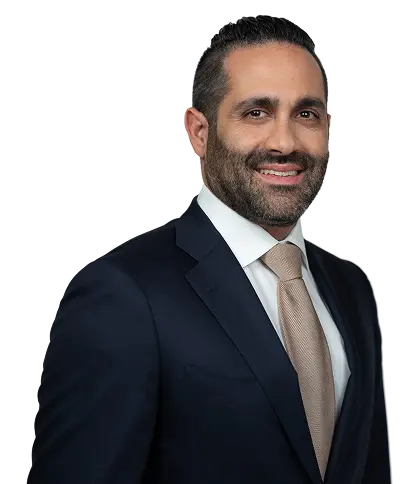
  • Trauma-informed legal representation — Our managing partners Joseph Shirazi (Bar #265403) and Simon Esfandi (Bar #275307) and our legal team have been trained in trauma-informed practices. We work at your pace, explain every step before it happens, and ensure that the legal process never retraumatizes the people we are fighting for. We coordinate with your therapist or counselor so that your emotional well-being is protected throughout the case.
  • Institutional accountability — holding the enablers responsible — Abusers rarely act alone. Schools that ignored complaints, churches that transferred predators, foster agencies that failed to screen caregivers, and entertainment companies that looked the other way all bear legal responsibility. We pursue every entity that knew or should have known about the abuse and failed to act.
  • No upfront cost — No Win, No Fee — Survivors should never face a financial barrier to justice. You pay nothing unless we recover compensation for you. Our Downtown Los Angeles office at 633 W 5th Street, 26th Floor is available 24/7 in English, Spanish, Farsi, and Korean. Call (213) 516-9809 for a confidential consultation.
Sexual Abuse scene in Los Angeles
Sexual Abuse Scene | Los Angeles, CA

Who Can Be Held Liable for Sexual Abuse in Los Angeles?

The individual abuser is always a defendant in a sexual abuse case, but California law recognizes that institutions which enabled the abuse often bear equal or greater legal responsibility. Under the doctrine of respondeat superior, an employer or organization can be held vicariously liable when an employee or agent commits sexual abuse within the scope of their authority or when the institution’s negligence created the opportunity for the abuse to occur. Under negligent supervision, hiring, and retention theories, institutions are liable when they knew or should have known about a perpetrator’s dangerous propensities and failed to act.

Mandatory reporter laws are central to institutional liability in California. Under Penal Code §11164–11174.3 (the Child Abuse and Neglect Reporting Act, or CANRA), teachers, school administrators, clergy, medical professionals, social workers, coaches, and dozens of other categories of professionals are legally required to report known or suspected child abuse to law enforcement or child protective services. When a mandatory reporter fails to report abuse—or when an institution actively suppresses reports to protect its reputation—that failure creates powerful civil liability. Survivors can recover damages not only for the original abuse but for the additional harm caused by the institution’s cover-up.

Our Los Angeles personal injury lawyers investigate every layer of institutional knowledge and failure. When a survivor’s abuse results in the loss of a loved one to suicide or other trauma-related death, our Los Angeles wrongful death attorneys pursue accountability on behalf of surviving family members. No institution is too large or too powerful for us to challenge.

Settings Where Sexual Abuse Occurs in Los Angeles

  • Clergy and religious institution abuse — The Archdiocese of Los Angeles reached a landmark $660 million settlement in 2007 with over 500 survivors of clergy abuse, and hundreds of additional claims have been filed since AB 218 reopened the window. Religious organizations that transferred known abusers between parishes, concealed complaints, and failed to report abuse to law enforcement bear direct civil liability for every survivor harmed by their institutional cover-up.
  • School and teacher abuse — Public school districts including LAUSD—the second-largest school district in the nation—and private schools across Los Angeles have faced sexual abuse claims involving teachers, coaches, administrators, and school staff. LAUSD alone has paid hundreds of millions of dollars in abuse settlements. Institutions that fail to conduct background checks, ignore student complaints, or reassign accused educators instead of reporting them face severe liability.
  • Foster care system abuse — Children placed in the California foster care system are among the most vulnerable to sexual abuse. Foster parents, group home staff, and other residents in congregate care facilities have been the subjects of thousands of abuse claims. The LA County Department of Children and Family Services (DCFS) and licensed foster care agencies can be held liable for negligent placement, inadequate oversight, and failure to investigate abuse reports.
  • Youth sports coaches and organizations — Youth sports leagues, gymnastics programs, swim teams, and martial arts schools across Los Angeles have been the site of sexual abuse by coaches who used their authority and physical access to exploit young athletes. Organizations that fail to implement abuse prevention policies, require background checks, or respond to complaints are liable.
  • Entertainment industry abuse — Los Angeles is the center of the global entertainment industry, and the power imbalances inherent in Hollywood have enabled widespread sexual abuse of actors, crew members, and aspiring performers—including minors. Talent agencies, production companies, studios, and management firms that enabled or concealed abuse by powerful individuals face significant civil exposure under California law.
  • Workplace sexual abuse — Sexual abuse in the workplace goes beyond harassment. Physical sexual assault by supervisors, coworkers, clients, or customers creates both criminal and civil liability. Employers who fail to investigate complaints, retaliate against survivors who report abuse, or create environments where abuse is tolerated can be held liable under California’s Fair Employment and Housing Act and common law negligence.
  • Medical professional abuse — Doctors, therapists, dentists, chiropractors, and other healthcare providers who sexually abuse patients violate the trust inherent in the provider-patient relationship. Under California Civil Code §43.93 and Business and Professions Code §729, sexual contact between a healthcare provider and patient during treatment is actionable regardless of apparent consent. Medical facilities that fail to investigate complaints or report abusive providers to licensing boards share liability.
  • Elder care facility abuse — Elderly residents of nursing homes, assisted living facilities, and in-home care programs in Los Angeles are vulnerable to sexual abuse by staff, other residents, and outside visitors. California’s Elder Abuse and Dependent Adult Civil Protection Act (Welfare & Institutions Code §15600 et seq.) provides enhanced remedies including attorney’s fees and punitive damages for abuse of elderly and dependent adults.
  • Juvenile detention and incarceration abuse — Youth held in juvenile detention facilities, including those operated by the LA County Probation Department, are at heightened risk of sexual abuse by staff and other detainees. Federal law under the Prison Rape Elimination Act (PREA) establishes standards, and state civil claims provide compensation to survivors.
  • Online grooming and exploitation — The proliferation of social media and messaging platforms has created new avenues for predators to target minors in Los Angeles. Adults who use digital communication to groom, solicit, or exploit children face criminal prosecution and civil liability. Platforms and organizations that fail to implement reasonable child safety measures may also bear responsibility.
Medical treatment for sexual abuse in Los Angeles
Medical Care for Sexual Abuse Victims | Los Angeles, CA

How We Value a Los Angeles Sexual Abuse Case

Sexual abuse cases carry some of the highest damages in California personal injury law because the harm is profound, long-lasting, and touches every aspect of a survivor’s life. Unlike a broken bone that heals in weeks, the psychological injuries from sexual abuse—post-traumatic stress disorder, depression, anxiety, substance abuse, difficulty forming relationships, and suicidal ideation—can persist for a lifetime. When the abuse occurred during childhood, the developmental impact is even more severe, affecting educational attainment, career trajectory, and the survivor’s ability to form healthy attachments throughout adulthood.

Compass Law Group evaluates sexual abuse cases across the full spectrum of harm. We work with forensic psychologists, psychiatrists, and life-care planners to document the lasting impact of the abuse and translate that harm into a damages case that reflects the true cost of what was taken from the survivor. When institutions covered up the abuse and allowed it to continue, we pursue punitive damages under Civil Code §3294 to hold those institutions accountable not just for the harm they caused but for the conscious decision to protect abusers over survivors.

Compensation Available for Sexual Abuse Survivors in Los Angeles

  • Past and future therapy and counseling costs — Most survivors require years or decades of specialized trauma therapy including cognitive behavioral therapy (CBT), EMDR (Eye Movement Desensitization and Reprocessing), dialectical behavior therapy (DBT), and psychiatric medication management. Lifetime therapy costs can reach $200,000 to $500,000 or more.
  • Emotional distress and psychological suffering — California places no statutory cap on non-economic damages in sexual abuse cases. The profound emotional pain—shame, fear, anger, depression, PTSD, nightmares, flashbacks, hypervigilance, and difficulty with intimacy—is compensable and often constitutes the largest component of a sexual abuse damages award.
  • Lost earning capacity — Childhood sexual abuse disrupts educational achievement and career development. Adult survivors frequently experience unemployment, underemployment, and inability to maintain stable employment due to PTSD symptoms, substance abuse, and difficulty with authority figures. Vocational experts calculate the difference between the survivor’s actual earnings and their projected earnings absent the abuse.
  • Punitive damages — Available under CC §3294 when an institution acted with malice, oppression, or fraud—which includes knowingly concealing abuse, transferring abusers, retaliating against reporters, or destroying evidence. Punitive damages in institutional sexual abuse cases have reached tens of millions of dollars in California.
  • Medical costs — Physical injuries from sexual abuse including STIs, chronic pain conditions, and reproductive health complications require ongoing medical treatment that is fully compensable.

California’s Landmark Protections for Survivors

California has enacted the most comprehensive legal framework in the nation for sexual abuse survivors. Understanding these laws is essential to knowing your rights:

  • Assembly Bill 218 (AB 218, effective January 1, 2020) — This transformative legislation eliminated the statute of limitations for childhood sexual abuse claims filed on or after January 1, 2020, and opened a three-year revival window (through December 31, 2022) allowing survivors to file claims that had previously been time-barred under the old statute of limitations. AB 218 also allows survivors to recover treble (triple) damages against institutions that engaged in a cover-up of childhood sexual abuse. This means that if an institution knew about the abuse and actively concealed it, the damages award can be tripled. Hundreds of revival-window cases filed in Los Angeles are still being litigated.
  • CCP §340.1 (Childhood Sexual Abuse) — As amended by AB 218, this statute now provides that a survivor of childhood sexual abuse may bring a claim at any time. Before AB 218, the deadline was age 26 or three years from the date the survivor discovered the psychological injury was caused by the abuse. The current law removes time limits entirely for new claims, and the revival window allowed previously expired claims to be refiled.
  • CCP §340.16 (Sexual Assault by Two or More Persons) — Provides an extended 10-year statute of limitations for sexual assault committed by two or more persons acting in concert. This provision addresses gang assaults, coordinated abuse by multiple perpetrators, and situations where institutional complicity effectively made the institution a co-participant in the abuse.
  • Civil Code §1708.5 (Sexual Battery) — Establishes a specific civil cause of action for sexual battery, defined as contact with an intimate part of another person committed without consent and for the purpose of sexual arousal, gratification, or abuse. This statute provides a clear legal framework for civil claims independent of any criminal prosecution.
⚠ Important for Survivors: Even though AB 218 eliminated the statute of limitations for childhood sexual abuse, other types of sexual abuse claims in California still have filing deadlines. Adult sexual assault claims under CCP §340.16 must generally be filed within 10 years. Do not assume your claim has no deadline—contact an attorney to evaluate your specific situation.

How Institutions Defend Against Sexual Abuse Claims

Institutions accused of enabling sexual abuse deploy aggressive legal strategies designed to discourage survivors from pursuing their claims. Compass Law Group anticipates and overcomes every tactic:

  • Statute of limitations defenses — Even after AB 218, institutions challenge whether specific claims fall within the revival window or argue that the survivor’s delayed discovery was unreasonable. We document the well-established psychological research on delayed disclosure and work with trauma experts who explain why survivors of childhood abuse often do not recognize the connection between the abuse and their psychological injuries until decades later.
  • Institutional “no knowledge” defenses — Schools, churches, and organizations frequently claim they had no knowledge of the abuser’s conduct. We conduct exhaustive discovery into internal complaints, personnel files, transfer records, and communications to uncover what the institution knew and when. Cover-ups leave paper trails, and we find them.
  • Attacking the survivor’s credibility — Some defense attorneys attempt to undermine a survivor’s credibility by pointing to inconsistencies in memory, delayed reporting, or mental health history. We prepare our clients thoroughly and retain forensic psychologists who educate judges and juries about trauma’s well-documented effects on memory, disclosure patterns, and behavior.
  • Lowball settlement offers designed to exhaust survivors — Institutions and their insurers may offer early, inadequate settlements hoping that emotionally exhausted survivors will accept rather than endure prolonged litigation. We ensure our clients understand the full value of their claims before any settlement decision is made.

Mandatory Reporting Laws and Institutional Accountability in California

California’s Child Abuse and Neglect Reporting Act (CANRA), codified in Penal Code §11164–11174.3, imposes criminal penalties on mandatory reporters who fail to report known or suspected child abuse. Over 40 categories of professionals are designated as mandatory reporters in California, including teachers, school counselors, clergy (in most contexts), physicians, nurses, social workers, coaches, and child care workers. When a mandatory reporter fails to report suspected sexual abuse—or when an institution pressures reporters to remain silent—the failure constitutes both a criminal offense and powerful evidence of institutional negligence in a civil lawsuit. Our attorneys investigate the reporting chain to determine whether mandatory reports were made, suppressed, or ignored, building a case for institutional liability that goes far beyond the individual abuser.

Legal representation for sexual abuse in Los Angeles
Legal Team Reviewing Sexual Abuse Case | Los Angeles, CA

What to Do If You Are a Survivor of Sexual Abuse in Los Angeles

  1. Your safety comes first — If you are currently in an unsafe situation or are in immediate danger, call 911 or the RAINN National Sexual Assault Hotline at 1-800-656-4673 (available 24/7). The Peace Over Violence hotline at (213) 626-3393 provides crisis support specifically for Los Angeles residents. You deserve to be safe, and help is available right now.
  2. Preserve any evidence you can—but know that your testimony matters most — If the abuse was recent, evidence preservation is important but should never come at the cost of your well-being. Text messages, emails, social media communications, photographs, journals, and any written documentation can support your case. If a recent physical assault occurred, a forensic medical exam (SART exam) at a hospital can preserve physical evidence—this exam is free and confidential in California, and you do not have to file a police report to receive one.
  3. This is not your fault—it was never your fault — Regardless of the circumstances, regardless of how long ago the abuse occurred, regardless of your relationship to the abuser—you are not responsible for what was done to you. Perpetrators and the institutions that protect them are responsible. California law recognizes this, and the legal system exists to hold them accountable.
  4. Consider speaking with a therapist or counselor — Processing the trauma of sexual abuse with a trained professional can help you make informed decisions about your next steps. Many therapists in Los Angeles specialize in sexual trauma and offer sliding-scale fees. Your therapy records can also support your legal claim by documenting the psychological impact of the abuse over time.
  5. Contact a sexual abuse attorney for a confidential consultation — You do not need to have reported the abuse to police in order to file a civil lawsuit. You do not need physical evidence. You do not need to have told anyone before now. Call Compass Law Group at (213) 516-9809 for a completely confidential conversation about your options. We will listen, we will believe you, and we will explain every legal path available to you. There is no cost and no obligation.

Statute of Limitations for Sexual Abuse Claims in California

Childhood sexual abuse: Under CCP §340.1 as amended by AB 218, there is no statute of limitations for childhood sexual abuse claims filed on or after January 1, 2020. Survivors may bring claims at any time, regardless of how long ago the abuse occurred. Before AB 218, the deadline was age 26 or three years from discovery of the psychological injury. The AB 218 revival window (January 1, 2020 through December 31, 2022) also allowed survivors to refile claims that had previously expired, and many of those revival cases are still actively litigated in Los Angeles courts.

Adult sexual assault: Under CCP §340.16, adult survivors of sexual assault committed by two or more persons acting in concert have 10 years to file a civil claim. For other adult sexual assault claims, the general personal injury statute of limitations of two years under CCP §335.1 applies, though the discovery rule may extend this deadline if the survivor did not immediately recognize the connection between the assault and resulting psychological injuries.

⚠ Important: Statutes of limitations are complex in sexual abuse cases, and exceptions exist for minors, government entities, and ongoing abuse. Do not assume your claim is time-barred without consulting an attorney. Many survivors believe they waited too long when they have not.

Criminal vs. Civil Sexual Abuse Cases in California

Survivors of sexual abuse in California can pursue both criminal and civil cases simultaneously, and the two proceedings serve different purposes:

  • Criminal cases are prosecuted by the District Attorney’s office (in Los Angeles, the LA County DA) and can result in incarceration, sex offender registration, and probation for the perpetrator. The burden of proof is “beyond a reasonable doubt.” The survivor does not control the prosecution and does not receive financial compensation through the criminal process (though restitution may be ordered).
  • Civil cases are filed by the survivor (through their attorney) and seek financial compensation for the harm caused. The burden of proof is “preponderance of the evidence”—a significantly lower standard than criminal court. Critically, civil cases can name institutions as defendants, not just the individual abuser. A civil case can proceed even if criminal charges were never filed, were dropped, or resulted in acquittal.

Many survivors find that the civil legal process provides a sense of justice and accountability that the criminal system cannot, particularly when institutions that enabled the abuse are forced to answer for their failures in court.

Evidence in Los Angeles Sexual Abuse Cases

Sexual abuse cases require a sensitive, survivor-centered approach to evidence gathering. Compass Law Group handles this process with the utmost care:

  • Survivor testimony — Your account of what happened is the most important evidence in your case. California courts recognize that sexual abuse cases often lack physical evidence, particularly when the abuse occurred years or decades ago. Juries understand this, and a credible survivor’s testimony carries enormous weight.
  • Therapy and medical records — Records documenting psychological symptoms consistent with sexual abuse trauma—PTSD, depression, anxiety, dissociation, self-harm, substance abuse—provide contemporaneous evidence of the abuse’s impact. We work with your treating therapists to present these records in a way that protects your privacy while supporting your case.
  • Institutional records and communications — Internal complaints, personnel files, transfer documents, emails, meeting minutes, and investigative reports often reveal what institutions knew about an abuser and when. We use aggressive discovery techniques to obtain these documents, even when institutions attempt to claim privilege or destroy records.
  • Pattern evidence and other survivors — California Evidence Code §1108 allows evidence of a perpetrator’s prior sexual offenses to be admitted in civil cases. When other survivors come forward against the same abuser, the collective testimony powerfully establishes the predatory pattern and the institution’s failure to stop it.
  • Expert testimony — Forensic psychologists explain trauma responses, delayed disclosure, and memory fragmentation to judges and juries. Institutional abuse experts testify about industry standards for child protection, background checks, and abuse prevention protocols that the defendant failed to implement.

Sexual Abuse Statistics in Los Angeles and California

  • 1 in 4 girls and 1 in 6 boys experience sexual abuse before the age of 18, according to the Centers for Disease Control and Prevention (CDC)—making childhood sexual abuse one of the most prevalent forms of violence in the United States
  • Over 90% of child sexual abuse is committed by someone the child knows and trusts—a family member, teacher, coach, clergy member, or family friend—not a stranger, according to the Darkness to Light organization
  • The average age of first sexual abuse is between 7 and 13 years old, and most survivors do not disclose the abuse until adulthood—if they disclose at all. This decades-long delay in disclosure is precisely why California enacted AB 218 to eliminate the statute of limitations
  • The Archdiocese of Los Angeles has paid over $1.5 billion in sexual abuse settlements, making it one of the largest institutional sexual abuse cases in American history
  • LAUSD has paid hundreds of millions of dollars in sexual abuse settlements involving teachers, coaches, and school staff, including a $139 million settlement in a single case involving a former elementary school teacher

Contact Compass Law Group — Los Angeles Sexual Abuse Lawyers

If you are a survivor of sexual abuse, we want you to know: we believe you, and your courage in considering this step matters. The legal system exists to hold abusers and the institutions that protected them accountable for the harm they caused. California’s laws are the strongest in the nation for survivors, and our attorneys at Compass Law Group are committed to making sure those laws work for you.

Every conversation with our firm is completely confidential. We will listen without judgment, explain your legal options clearly, and let you decide how to proceed—at your own pace. You will never be pressured, and you will always be treated with the dignity and respect you deserve. Our Los Angeles office at 633 W 5th Street, 26th Floor, Los Angeles, CA 90071 is available 24/7.

Call (213) 516-9809 or contact us online for a free, confidential consultation. With our No Win, No Fee guarantee, you pay nothing unless we recover compensation for you. Hablamos español. We also speak Farsi and Korean.

Frequently Asked Questions

Can I file a sexual abuse lawsuit in California even if the abuse happened decades ago?+
Yes. Under Assembly Bill 218, California eliminated the statute of limitations for childhood sexual abuse claims filed on or after January 1, 2020. This means survivors can file a civil lawsuit at any time, regardless of how long ago the abuse occurred. AB 218 also opened a three-year revival window that allowed previously time-barred claims to be refiled. Many of those revival cases are still actively litigated in Los Angeles courts. For adult sexual assault, different deadlines apply depending on the circumstances, so consulting an attorney is essential.
Can I sue the institution where the sexual abuse occurred, not just the abuser?+
Yes. California law allows survivors to hold institutions liable for sexual abuse when the institution was negligent in hiring, supervising, or retaining the abuser, or when it failed to report known or suspected abuse as required by mandatory reporter laws. Schools, churches, foster care agencies, sports organizations, and employers that knew or should have known about abuse and failed to protect survivors can be named as defendants. Under AB 218, institutions that engaged in a cover-up of childhood sexual abuse may be liable for treble (triple) damages.
Do I need to file a police report before I can file a civil sexual abuse lawsuit?+
No. A civil lawsuit is completely independent of the criminal process. You do not need to have filed a police report, and you do not need criminal charges to have been filed against your abuser. Many survivors choose to pursue only a civil case, and many successful sexual abuse lawsuits have been filed without any criminal prosecution. The burden of proof in civil court is also lower than in criminal court, which means cases that may not result in criminal conviction can still succeed in a civil lawsuit.
Will my name be public if I file a sexual abuse lawsuit in Los Angeles?+
California law allows many sexual abuse survivors to file lawsuits under a pseudonym, typically as a Doe plaintiff, to protect their identity from public disclosure. Compass Law Group requests Doe status whenever possible and takes every measure to protect your privacy throughout the legal process. While certain court proceedings may require disclosure to the defendant, your identity can be shielded from public records and media reporting in most cases.
What compensation can I receive in a sexual abuse lawsuit in California?+
Survivors of sexual abuse can recover compensation for past and future therapy and counseling costs, emotional distress and psychological suffering, lost earning capacity, medical expenses for physical injuries, and loss of enjoyment of life. California places no statutory cap on non-economic damages in sexual abuse cases. In cases where an institution covered up the abuse, punitive damages and treble damages under AB 218 may significantly increase the total recovery. Every case is unique and Compass Law Group evaluates the full scope of harm to pursue maximum compensation.
What is the AB 218 revival window and does it still apply?+
AB 218 opened a three-year revival window from January 1, 2020 through December 31, 2022, allowing survivors to file childhood sexual abuse claims that had previously been barred by the old statute of limitations. While the revival window has closed for new filings, cases filed during that window are still being actively litigated in California courts. Additionally, AB 218 permanently eliminated the statute of limitations for childhood sexual abuse claims going forward, meaning new claims can be filed at any time regardless of when the abuse occurred.
How long does a sexual abuse lawsuit take to resolve?+
Sexual abuse lawsuits in California typically take one to three years to resolve, though complex institutional cases may take longer. The timeline depends on the number of defendants, the volume of institutional records involved in discovery, whether the case involves multiple survivors, and whether the case settles or goes to trial. Compass Law Group works at a pace that respects the survivor’s emotional well-being while pursuing the case aggressively. We keep you informed at every stage and never rush you into decisions.
Can I pursue a civil lawsuit even if the criminal case was dismissed or the abuser was acquitted?+
Yes. Civil and criminal cases are entirely separate proceedings with different standards of proof. A criminal case requires proof beyond a reasonable doubt, while a civil case requires only a preponderance of the evidence — meaning it is more likely than not that the abuse occurred. Many successful civil sexual abuse verdicts and settlements have been obtained even when criminal charges were never filed, were dismissed, or resulted in acquittal.
What if I do not have physical evidence of the sexual abuse?+
Most sexual abuse cases, particularly those involving childhood abuse, do not have physical evidence. Courts and juries understand this. Your testimony as a survivor is powerful evidence. Therapy records documenting symptoms consistent with abuse trauma, testimony from people you confided in, institutional records showing the abuser’s pattern of behavior, and expert testimony about trauma responses all support your case. Compass Law Group builds strong cases even without physical evidence.
Is there a cost to speak with a sexual abuse attorney at Compass Law Group?+
No. Your initial consultation is completely free and completely confidential. We operate on a No Win, No Fee basis, which means you pay nothing unless we recover compensation for you. We advance all costs associated with your case. There is no financial barrier to exploring your legal options, and our conversation is protected by attorney-client privilege from the moment you contact us. Call (213) 516-9809 any time — we are available 24/7.

Talk to a Los Angeles Sexual Abuse Lawyer Today

Call Compass Law Group at (213) 516-9809. Free consultation, no fees unless we win. 24/7. Visit our LA office.
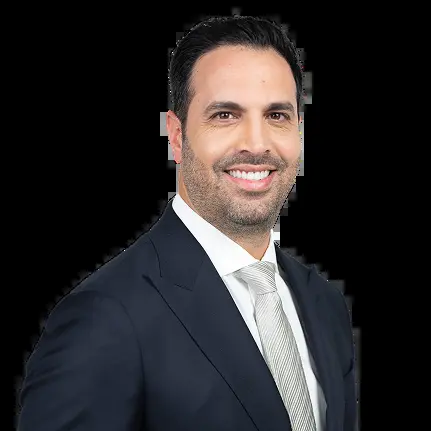
Joseph Shirazi — Managing Partner
Joseph Shirazi
Managing Partner · CA Bar #265403
National Top 100 Trial Lawyers and Avvo 10.0 Superb. Loyola Law School graduate. Joseph has recovered millions for injury victims across Los Angeles and leads every case with relentless preparation and a commitment to maximum results.
📍 Visit Our Los Angeles Office
Compass Law Group, LLP
633 W 5th Street, 26th Floor, Los Angeles, CA 90071
(213) 516-9809 — Free consultation, 24/7
Get Directions →

Do I have a case?

Contact us today for a free consultation.

California's
Gold Standard
Injury Law Firm

With Joseph Shirazi and Simon Esfandi at the helm, our firm is a trusted name in accident law in California.

Meet Our Managing Partners

Joseph Shirazi
Managing Partner · CA Bar #265403

National Top 100 Trial Lawyers and Avvo 10.0 Superb. Loyola Law School graduate. Recognized for his $14,500,000 truck accident verdict and a $13,000,000 trial verdict.

Read Full Bio →
Simon Esfandi — Managing Partner
Simon Esfandi
Managing Partner · CA Bar #275307

Super Lawyers Rising Star. Southwestern Law School graduate. Led the firm’s $9,870,000 motorcycle accident settlement and a $2,250,000 rideshare recovery.

Read Full Bio →
Firm Recognition
  • ★ National Top 100 Trial Lawyers
  • ★ Super Lawyers Rising Star
  • ★ Avvo 10.0 Superb Rating
  • ★ Top 40 Under 40
  • ★ Consumer Attorneys of California · CAALA · AAJ

Total Recovered for Clients
$250,000,000+
$14.5M truck verdict · $13M trial verdict · $9.87M motorcycle · $5M car accident
Past results do not guarantee future outcomes. Every case is unique.
Client Rating
★★★★★ 5.0
193+ verified Google reviews · No win, no fee

Countless Real Client Reviews Verified by Google

Jerry

After 10 accidents and 9 attorneys, the client met Simon, who stood out for his honesty and clear communication. Years later, after another accident, the client called Simon and was impressed by his professionalism and follow-through. Simon explained everything, connected him with top doctors, and kept every promise. It was the first time the client felt truly supported—highly recommending Simon and Joseph for their integrity and dedication.

Jacob

Jacob was rear-ended by a big rig and left nearly paralyzed for a year. He found Cooper Law Group, and Joseph and Simon personally helped him through the legal process. Over two years, they ensured he got the medical care and surgeries he needed, helped repair his car, and secured the compensation he deserved. He highly recommends them for truly fighting for their clients.

Blandine

During the early days of COVID, Blandine was hit by a car while biking to work. Alone and unsure of what to do, they found Compass Law Group. Joseph was the first to respond with care and clarity. Throughout the case, the team—Joseph, Simon, and Julie—provided support, regular check-ins, and made the client feel safe and cared for. They now consider the firm like family and highly recommend them for their compassion and competence.

Understanding Your Rights:

Frequently Asked
Questions

Understanding whether a claim exists is one of the challenges of personal injury law. This is why we offer free initial consultations to help you make this determination and allow you an avenue to vindicate your rights.

We’re committed to fighting for the rights of accident victims throughout Southern California, and, unlike other California personal injury attorneys, we will take on any case if we can help, no matter how big or small.

Personal injury involves harm to an individual’s body or property caused by someone else’s negligence. It can range from minor to significant injuries, often requiring legal action to recover damages. We specialize in representing and securing fair settlements for such victims.

Our client-focused approach ensures personalized attention, detailed case building, and compelling evidence presentation. We’re skilled in negotiating settlements and prepared for trial with aggressive strategies. Our firm maintains transparent communication, involves clients in the process, and utilizes a wide network of expert witnesses and resources to strengthen cases. Choosing us means trusting a team dedicated to your success and justice.

No matter the injury size, you have rights that need defending. Many injuries seem minor at first but can worsen over time. Ignoring treatment or legal advice risks your health and compensation. Seek immediate medical and legal help after any accident to ensure proper diagnosis and strengthen your compensation claim.