





One critical procedural exception applies to claims against government entities, including public universities, community colleges, and publicly funded health systems. Under California’s Government Claims Act, survivors must file a government tort claim notice within six months of discovering their injury — even when the underlying statute of limitations has been eliminated. Missing this step can permanently bar recovery against a public agency. If any part of your case involves a government institution, speaking with a California sexual abuse attorney as soon as possible is essential to preserve your rights before that administrative clock expires.
Who Can Be Held Liable When an Institution Enables or Conceals Sexual Abuse?
The Tyndall case is a textbook illustration of multi-layered institutional liability. Dr. Tyndall was personally responsible for his own conduct — but USC shared that liability because administrators received complaints, failed to investigate meaningfully, and did not report his conduct to the California Medical Board as required by law. Under California law, institutions can be held accountable through several distinct legal theories: respondeat superior (employer liability for an employee’s conduct within the scope of employment), negligent hiring, negligent retention of a known risk, and negligent supervision.

Institutions frequently found liable in California sexual abuse cases include:
- Universities and colleges — institutions employing medical staff, coaches, counselors, or faculty who abuse students may be liable when internal complaints are ignored, investigations are suppressed, or mandatory reporting obligations are not fulfilled, as demonstrated by the USC case
- K–12 schools and school districts — including private, charter, and public schools where administrators fail to conduct background checks, respond to parent or student reports of abuse, or report suspected misconduct under California’s mandatory reporting laws
- Religious organizations and dioceses — California clergy sexual abuse survivors have successfully pursued civil claims against archdioceses and parishes that transferred known abusers between assignments rather than removing them and reporting their conduct to law enforcement
- Youth-serving nonprofits and programs — including Boy Scouts of America councils, YMCA facilities, Catholic Youth Organization (CYO) programs, 4-H chapters, and youth sports leagues where adult volunteers had unsupervised access to children without adequate screening or oversight
- Hospitals, clinics, and healthcare systems — facilities that employ physicians, nurses, or other healthcare workers who abuse patients while the institution fails to act on prior complaints, enforce supervision protocols, or report misconduct to licensing authorities such as the Medical Board of California
- Employers and workplaces — under AB 2777, adult survivors of workplace sexual abuse may pursue institutional liability claims against employers who failed to prevent misconduct, investigate complaints, or take meaningful action against known harassers or abusers in positions of authority
If you or a loved one was abused by someone connected to any of these institutions anywhere in California, the institution itself — not just the individual abuser — may bear substantial legal and financial responsibility. A Beverly Hills sexual abuse attorney at Compass Law Group can conduct a confidential evaluation to determine whether institutional liability applies in your specific situation.
What Compensation Can Survivors of Institutional Sexual Abuse Recover in California?
The approximately $1.1 billion USC Tyndall settlement reflects both the scale of the institutional failure and the depth of compensable harm — but it also illustrates the full range of damages California law makes available to sexual abuse survivors. Compensation in these cases is not limited to what can be itemized on a receipt. The law recognizes that the harm caused by sexual abuse, especially abuse enabled by a trusted institution, extends across every dimension of a survivor’s life.

Under California law, survivors of institutional sexual abuse may be entitled to recover:
- Therapy and psychological counseling costs — often the most significant ongoing expense for survivors, including past treatment already received and projected future care for PTSD, depression, anxiety, and trauma-related conditions
- Medical expenses — including treatment for physical injuries, gynecological care, STI testing, emergency care, and any ongoing health consequences directly resulting from the abuse
- Lost wages and diminished earning capacity — when trauma, PTSD, or related conditions have impaired a survivor’s ability to maintain employment, pursue professional advancement, or sustain consistent income
- Pain and suffering — compensation for the physical pain and sustained emotional anguish caused by the abuse itself and by the institution’s deliberate or negligent failure to protect
- Emotional distress damages — recognized separately under California law, particularly in cases involving institutional cover-ups where the harm extends to the profound betrayal of trust by an organization that was supposed to keep survivors safe
- Punitive damages — available when an institution acted with malice, oppression, or fraud, such as knowingly concealing abuse to protect its reputation; governed by California Civil Code §52.4, which establishes enhanced civil remedies for gender violence and sexual abuse
Punitive damages are especially significant in institutional cases. When the evidence shows that administrators received complaints and chose reputation over survivor safety — as occurred at USC — courts and juries have consistently held that enhanced financial accountability is warranted. A skilled California sexual abuse attorney can assess the full scope of damages your specific circumstances may support and build the strongest possible case for recovery.
California Sexual Abuse Statistics — By the Numbers
The scale of harm the Tyndall case represents is reflected in national data and case-specific facts. These numbers are a reminder that sexual abuse in institutional settings is not isolated — and that survivors who come forward change the system for everyone who follows.

$1.1 billion — the approximate total value of USC’s civil settlement with Tyndall survivors, covering documented abuse between 1988 and 2016. It is one of the largest institutional sexual abuse settlements ever reached in the United States.
700+ survivors came forward in the Tyndall civil litigation — a number made possible in large part by California’s AB 218 revival window, which allowed long-dormant claims to be filed and heard in court.
30 years — the length of time Dr. Tyndall worked at USC’s student health center while complaints went unaddressed and mandatory reports to the California Medical Board went unfiled. This timeline illustrates how institutional inaction can compound harm across entire generations of survivors.
According to RAINN, 1 in 6 American women has been the victim of an attempted or completed rape in her lifetime, and only 1 in 3 sexual assaults are ever reported to law enforcement. Underreporting is especially prevalent in institutional settings, where survivors often fear retaliation, professional consequences, or disbelief from authorities. The Tyndall case showed what becomes possible when survivors find the support to come forward — and when California law provides the legal tools to make their voices heard in court.
How Can Compass Law Group Help Survivors of Institutional Sexual Abuse?
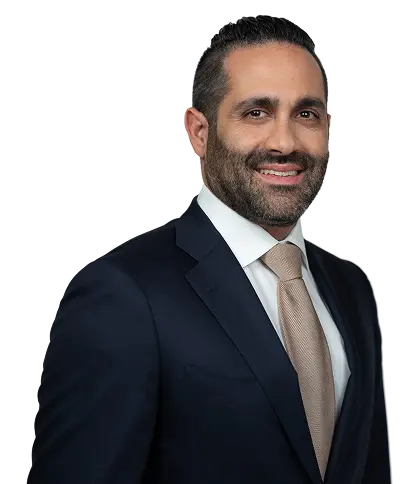
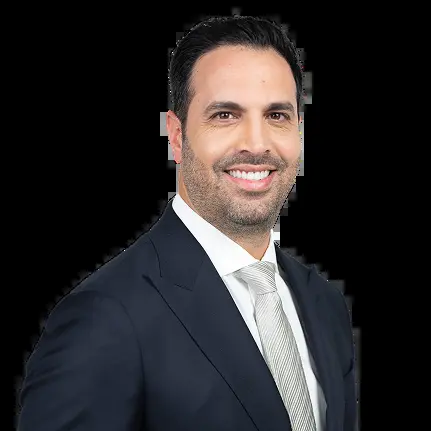
Compass Law Group, LLP is headquartered in Beverly Hills and serves sexual abuse survivors across California, with offices in Los Angeles, Long Beach, San Francisco, Sacramento, and Oakland. Attorneys Joseph Shirazi (Bar #265403) and Simon Esfandi (Bar #275307) lead a team that has recovered more than $250 million for clients across our areas of practice — including institutional sexual abuse, workplace harm, and serious personal injury matters such as California spinal cord injury cases.
We understand that the decision to pursue legal action after sexual abuse is deeply personal. That is why every consultation with Compass Law Group is completely free, completely confidential, and without obligation. You do not need to provide your name to speak with our team. Survivors may remain fully anonymous throughout an initial consultation. We take all sexual abuse cases on a No Win, No Fee basis — you pay nothing in attorney fees unless we recover compensation on your behalf.
Whether you are a survivor of university abuse, hospital misconduct, school sexual abuse, California clergy sexual abuse, or harm enabled by a youth sports organization, YMCA, CYO program, or any other institution, our team is prepared to pursue every avenue of liability that California law provides. If you are looking for a Sacramento sexual abuse lawyer or need representation anywhere in California, call Compass Law Group at (213) 320-1001 to begin a confidential conversation today. The USC Tyndall settlement demonstrates what institutional accountability looks like when survivors are represented by attorneys fully committed to their cause.
Q: Does the USC Tyndall settlement mean I can sue any California institution for past sexual abuse?
Not automatically, but the Tyndall case establishes powerful precedent for survivors of institutional abuse across California. Institutions can be held liable when they hire, retain, or fail to report known abusers. Under AB 218 (CCP §340.1), childhood sexual abuse survivors may file civil claims at any age with no deadline. Adult survivors may use the AB 2777 revival window (CCP §340.16) until December 31, 2026. Whether your specific institution bears liability depends on the facts of your case — a California sexual abuse attorney can evaluate your situation at no cost.
Q: What if I was an adult when the abuse occurred — can I still file a civil claim in California?
Yes, if your claim falls within California’s AB 2777 revival window. Under CCP §340.16, adult survivors whose civil claims were previously time-barred may file new claims until December 31, 2026 — after which this window permanently closes. This revival applies to sexual assault and harassment occurring in institutional, professional, or workplace settings. The law generally covers abuse occurring on or after January 1, 2009, with expanded provisions when an employer covered up the misconduct. An experienced attorney can determine whether your circumstances qualify before the deadline passes.
Q: How long does a California institutional sexual abuse lawsuit typically take to resolve?
The timeline depends on case complexity and whether the institution chooses to negotiate or litigate. Straightforward cases may resolve in 12–24 months; large institutional cases like the USC Tyndall litigation can span several years. Key phases include investigation, filing, discovery of institutional records and depositions, expert review, settlement negotiations, and — if necessary — trial. Many institutional cases settle before reaching a jury. Your attorney manages this entire process; with Compass Law Group’s No Win, No Fee structure, you owe nothing unless and until compensation is secured.
Q: Can I remain anonymous or confidential when pursuing a sexual abuse claim in California?
You can speak with Compass Law Group completely anonymously — no name is required for a free consultation. Once a case is filed in court, California law provides privacy protections for sexual abuse survivors, including the option to proceed as Jane Doe or John Doe in many circumstances. Courts have increasingly recognized the importance of protecting survivor identity in sexual abuse litigation. Discuss your specific confidentiality options with your attorney before filing, as procedures vary by case type and venue. Compass Law Group prioritizes survivor privacy and dignity at every stage.
Q: What evidence do I need to file an institutional sexual abuse claim in California?
You do not need complete evidence to start a consultation — attorneys build cases from available facts. Useful evidence includes your own detailed written account of the abuse; emails, letters, or appointment records involving the abuser or institution; medical or therapy records; witness contact information; and documentation of any formal complaints you made to the institution. Evidence that the institution had prior knowledge of the abuser — such as past complaints by other survivors — can be especially powerful in establishing institutional liability. An attorney will guide evidence preservation from the very first conversation.
References
- California Code of Civil Procedure §340.1 (AB 218) — Sexual Abuse Statute of Limitations
- RAINN — Sexual Violence Statistics
- California Code of Civil Procedure §340.16 (AB 2777) — Adult Survivor Revival Window
California Sexual Abuse Lawsuit — Key Statistics

Steps to Take After Reporting and Pursuing a Claim After Institutional Sexual Abuse
The actions you take in the days and weeks following a decision to pursue a civil claim can significantly affect the strength of your case. Compass Law Group recommends the following steps:
- Prioritize your safety and emotional wellbeing first. Reaching out to a trusted person, counselor, or crisis support line is the most important initial step. RAINN’s National Sexual Assault Hotline (1-800-656-HOPE) provides free, confidential support 24 hours a day and can connect you with trauma-informed resources in your community.
- Document everything you remember, as soon as possible. Write a detailed, dated narrative of the abuse — who was involved, the location, approximate dates, any witnesses, and what was said or done. Memory fades with time, and contemporaneous written accounts carry significant evidentiary weight in civil proceedings.
- Preserve all physical and digital evidence. Collect and safeguard any emails, text messages, appointment records, photographs, medical documents, or correspondence with the institution. Do not delete any digital records, even those that seem minor — your attorney will help you determine what is most relevant to your claim.
- Report to law enforcement and relevant regulatory authorities. Consider filing a report with local law enforcement and, where applicable, the relevant licensing board — such as the Medical Board of California for physician abuse or the Commission on Teacher Credentialing for educator misconduct. Criminal and administrative records can become powerful supporting evidence in a parallel civil case.
- Consult an experienced institutional sexual abuse attorney immediately. Deadlines vary significantly depending on the institution type and when the abuse occurred. If a government entity is involved, a Government Claims Act notice may need to be filed within six months of discovery. The AB 2777 revival window for adult survivors closes December 31, 2026. An attorney can identify and protect every applicable deadline before any is lost.
- File your civil claim with dedicated legal representation. Your attorney will investigate the institution’s history and internal records, identify all liable parties, retain expert witnesses, and build the most comprehensive case possible. With Compass Law Group, you pay no attorney fees unless and until compensation is recovered on your behalf.