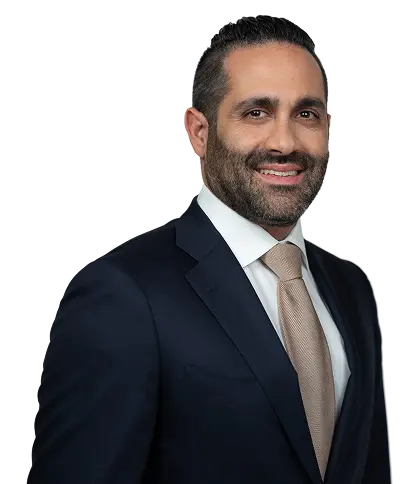




Your Battle, Our Compass:

Los Angeles Workplace Sexual Abuse Attorney

If you experienced sexual abuse or assault in your Los Angeles workplace, our attorneys are here to help. Compass Law Group has extensive experience handling workplace sexual abuse cases throughout Los Angeles County and is committed to holding employers and perpetrators accountable. Call us today for a free, confidential consultation at (213) 320-1001.

TL;DR — Clergy/Church Sexual Abuse Attorney Los AngelesA Los Angeles clergy/church sexual abuse attorney can pursue civil claims against both the individual perpetrator and the religious institution that enabled or concealed the abuse. California’s AB 218 extended the statute of limitations so childhood abuse survivors may file suit until age 40 — or within five years of connecting their injuries to the abuse — and AB 2777 opened an additional revival window for qualifying adult sexual assault survivors, including those whose claims had previously expired. If you or a loved one suffered clergy or church abuse anywhere in the Los Angeles area, call (213) 320-1001 today for a free, confidential consultation.
## Civil Liability for Clergy Sexual Abuse Under California Law California law holds both individual abusers and their institutional employers accountable in civil court. Under California Code of Civil Procedure § 340.1 — substantially expanded by AB 218 — adult survivors of childhood clergy sexual abuse may file civil claims until age 40, or within five years of discovering that psychological harm is causally linked to the abuse, whichever period is later. Los Angeles County courts have adjudicated hundreds of clergy abuse lawsuits against Catholic dioceses, independent churches, and other religious organizations operating throughout the region. Institutional liability attaches when a church knew, or reasonably should have known, that a clergy member posed a danger and failed to remove or report him. Civil recovery is available for therapy costs, lost earning capacity, and pain and suffering — independent of whether the abuser was ever criminally charged or convicted.
★★★★★
5.0 / 5
195 Google Reviews  ·  Read Reviews ↗

Who Can Be Held Liable for Clergy/Church Sexual Abuse in Los Angeles?

In Los Angeles clergy sexual abuse cases, liability extends far beyond the individual perpetrator. Under California Code of Civil Procedure §340.1, survivors can pursue civil claims against both the abuser and the institutions that enabled the abuse — including the Roman Catholic Archdiocese of Los Angeles, independent evangelical congregations, and other religious organizations operating throughout Los Angeles County. California courts have consistently held that religious institutions are not immune from civil liability when they failed to prevent foreseeable harm to parishioners and minors entrusted to their care.

Churches and dioceses face accountability through two primary legal theories. Under respondeat superior, an institution can be held responsible for the acts of clergy who committed abuse while performing duties within the scope of their religious authority — such as counseling, youth ministry, or sacramental functions. Separately, negligent hiring, retention, or supervision claims hold institutions liable when they knew or should have known of an abuser’s dangerous propensities yet continued to employ, reassign, or shield that individual from consequences.

  • The individual priest, deacon, minister, youth pastor, or religious leader who committed the abuse
  • The Roman Catholic Archdiocese of Los Angeles, a local diocese, or comparable denominational governing body
  • The specific parish, congregation, or religious school in Los Angeles County where the abuse occurred
  • A supervising bishop, senior pastor, or church official who concealed misconduct, failed to report it, or transferred the abuser to another assignment
  • A religious order, nonprofit ministry, or church-affiliated organization that employed or housed the perpetrator
Call Compass Law Group — Free Consultation for School Sexual Abuse Survivors

Frequently Asked Questions: Clergy/Church Sexual Abuse Attorney Los Angeles

The AB 2777 revival window allows survivors of institutional sexual abuse — including those abused by priests, deacons, and other clergy — to file civil claims that were previously time-barred, with a hard deadline of December 31, 2026. Survivors who missed the earlier AB 218 window, which closed December 31, 2022, may still be eligible to file in Los Angeles Superior Court under this extended period. Because preparing and serving a civil complaint can take several months, survivors should consult a Los Angeles clergy abuse attorney as soon as possible.

AB 218, signed into law in 2019, amended California Code of Civil Procedure §340.1 to extend the limitations period for childhood sexual abuse to the later of the victim’s 40th birthday or five years from the date the survivor discovers — or reasonably should have discovered — that a psychological injury was caused by the abuse. AB 218 also opened an initial three-year revival window from January 1, 2020, through December 31, 2022, allowing previously time-barred claims to be refiled. This legislation was passed in direct response to widespread clergy abuse scandals, including those involving the Roman Catholic Archdiocese of Los Angeles.

Yes. Under California’s AB 2777 revival window, adult survivors who were sexually abused by priests, deacons, religious brothers, or other church personnel during childhood can sue the Archdiocese of Los Angeles even if their claims would otherwise be time-barred under the standard statute of limitations. The Archdiocese of Los Angeles — one of the largest Roman Catholic dioceses in the United States — has already paid more than $660 million in settlements to abuse survivors since 2006. Survivors must file their Los Angeles Superior Court complaints before December 31, 2026, or lose this right permanently.

Under CCP §340.1, liable parties in a Los Angeles clergy sexual abuse case can include the individual perpetrator, the parish, the diocese or archdiocese, and any supervisors or administrators who knew of the abuse and failed to prevent or report it. California’s negligent hiring, negligent retention, and negligent supervision doctrines hold religious institutions accountable when they knew or had reason to know a clergy member posed a risk of harm to children. Religious orders, nonprofit affiliates, and the Roman Catholic Archdiocese of Los Angeles can all be named as defendants in a civil lawsuit filed in Los Angeles Superior Court.

Survivors of clergy sexual abuse in Los Angeles can seek compensatory damages covering past and future psychological treatment, medical expenses, lost wages and diminished earning capacity, and pain and suffering. California also permits punitive damages under Civil Code §3294 when the defendant — such as a diocese — acted with malice, oppression, or fraud, which courts have found when institutions concealed known abusers. There is no statutory cap on non-economic damages in California sexual abuse cases, meaning Los Angeles Superior Court juries can award substantial sums reflecting the full scope of a survivor’s harm.

Under CCP §340.1(a)(2), the limitations period does not begin running until the plaintiff discovers — or reasonably should discover — that a psychological injury or illness was caused by childhood sexual abuse, even if that discovery occurs decades after the abuse. California courts have consistently recognized that trauma, shame, and psychological suppression can delay a survivor’s awareness of the connection between their injuries and the abuse, making the discovery rule critical for clergy abuse survivors. Survivors whose memories surfaced in adulthood may still be eligible to file claims under the AB 2777 revival window through December 31, 2026.

No. California law does not require a survivor to file a criminal report as a prerequisite to pursuing a civil lawsuit under CCP §340.1. A civil claim is entirely independent of any criminal prosecution by the Los Angeles County District Attorney’s Office or the Los Angeles Police Department, and survivors may pursue both avenues simultaneously or separately. However, a criminal report creates an official record that can corroborate a civil case, and the LAPD’s Juvenile Division and DA’s Office maintain specialized units for investigating institutional child sexual abuse.

Evidence in an LASC clergy sexual abuse case commonly includes survivor testimony, internal church personnel files, prior complaints made to diocesan officials, therapy records, and witness statements from others who reported the same perpetrator. California courts have authorized plaintiffs to subpoena the Archdiocese of Los Angeles’s internal archives, which in prior litigation revealed that officials tracked abusive clergy without reporting them to law enforcement. Expert psychological testimony explaining delayed disclosure and trauma response is routinely admitted under California Evidence Code §801, and historical church documents have proven decisive in establishing institutional knowledge.

Yes. Under California law, a church or diocese can be held liable under theories of negligent supervision and fraudulent concealment when it knew or had reason to know that a clergy member posed a risk of sexual abuse yet transferred rather than removed him. Prior litigation against the Archdiocese of Los Angeles established that Cardinal Roger Mahony and other officials reassigned known abusers between Los Angeles County parishes for decades, creating documented institutional liability. Evidence of deliberate concealment also supports a claim for punitive damages under California Civil Code §3294, which requires clear and convincing proof that an officer or managing agent authorized or ratified the wrongful conduct.

Yes. Civil clergy sexual abuse claims arising from conduct in Los Angeles County are filed in Los Angeles Superior Court (LASC), with the Stanley Mosk Courthouse at 111 N. Hill Street, Los Angeles, CA 90012, serving as the primary civil filing location for complex litigation. LASC has been the venue for some of the largest institutional sexual abuse settlements in California history, including cases against the Archdiocese of Los Angeles. Depending on the number of defendants and related actions, a judge may coordinate multiple clergy abuse cases under the complex civil litigation program at LASC.

AB 218, effective January 1, 2020, created the first revival window under CCP §340.1 for previously time-barred childhood sexual abuse claims, which closed on December 31, 2022, generating hundreds of new filings against the Archdiocese of Los Angeles and other California dioceses. The AB 2777 revival window subsequently extended these rights, allowing survivors of sexual abuse in institutional settings — including churches, schools, and other organizations — to file claims through December 31, 2026. Survivors who did not file during the AB 218 window should consult a Los Angeles attorney immediately to evaluate their eligibility under AB 2777 before the 2026 deadline expires without possibility of further extension.

Yes. California courts permit clergy sexual abuse survivors to file civil complaints using a pseudonym such as ‘Jane Doe’ or ‘John Doe’ to protect their identity during public proceedings in Los Angeles Superior Court. Plaintiffs may also seek protective orders under the California Rules of Court to restrict disclosure of identifying information during discovery and at trial. Survivors should request pseudonymous filing at the outset of litigation, as courts have broader discretion to grant this protection early rather than retroactively after the complaint has been publicly docketed.

Yes. California Civil Code §3294 permits a jury to award punitive damages against a religious institution when the plaintiff proves by clear and convincing evidence that an officer, director, or managing agent of the entity acted with malice, fraud, or oppression — conduct courts have found when dioceses concealed known abusers and transferred them to unsuspecting parishes. In the 2007 Archdiocese of Los Angeles settlement of approximately $660 million, exposure to punitive damages played a significant role in driving the institution to resolve cases. Punitive awards in clergy abuse cases are not subject to the same caps that apply in medical malpractice cases, making California one of the most favorable jurisdictions for institutional abuse accountability.

Clergy sexual abuse litigation in Los Angeles Superior Court can take anywhere from 18 months to four or more years depending on whether the case resolves through settlement or proceeds to a jury trial. The Archdiocese of Los Angeles and other large institutional defendants typically conduct extensive discovery — including depositions of bishops and chancellors, production of decades-old personnel files, and forensic review of internal transfer records — which can extend the timeline. Many cases are resolved through mediation or structured settlement conferences, particularly when documentary evidence of the institution’s prior knowledge of abuse is strong, as it has been in numerous LASC clergy abuse matters.

Under the AB 2777 revival window, covered institutions include churches, dioceses, religious orders, and other nonprofit or corporate entities that employed or supervised the perpetrator at the time of the abuse in Los Angeles County. This includes the Roman Catholic Archdiocese of Los Angeles, independent Catholic parishes, Episcopal and Protestant congregations, and other religious organizations whose clergy or staff committed acts of sexual abuse against minors. Survivors whose abuse was perpetrated by a clergy member affiliated with any of these entities may be eligible to file civil claims in Los Angeles Superior Court through December 31, 2026, regardless of when the abuse occurred.

Clergy/Church Sexual Abuse — Los Angeles — image 1
Los Angeles school hallway — school sexual abuse attorney

How We Value a Clergy/Church Sexual Abuse Case in Los Angeles

Valuing a clergy sexual abuse claim in Los Angeles County begins with your documented losses. Compensatory damages cover past and future therapy, psychiatric care, emergency medical treatment, and income lost because trauma has impaired your ability to work. California courts recognize the long-term economic toll survivors carry — studies show clergy abuse survivors average 7–10 years of ongoing mental health treatment — and our attorneys project every anticipated cost from the outset, ensuring nothing is left off the table.

Beyond economic losses, California law allows significant recovery for emotional distress, loss of enjoyment of life, and the profound betrayal of trust inherent in clergy abuse. When evidence shows a diocese or religious institution in Los Angeles County knowingly concealed abuse — as documented extensively in Los Angeles Archdiocese litigation — courts may impose punitive damages to punish institutional misconduct and deter future cover-ups. Critically, California’s AB 218 and AB 2777 eliminated all statutory caps on damages for childhood sexual abuse survivors, giving Los Angeles victims the right to pursue full, unlimited compensation regardless of when the abuse occurred.

Compass Law Group has recovered more than $250 million for survivors across California. Call (213) 320-1001 for a free, confidential consultation — we work on contingency, so you pay nothing unless we win.

Clergy/Church Sexual Abuse — Los Angeles — image 2
Los Angeles school building exterior — school sexual abuse lawsuit

What to Do If You Are a Clergy/Church Sexual Abuse Survivor in Los Angeles

  1. Move to a Safe Environment — If you are in any ongoing contact with the abuser or the institution that enabled the abuse, prioritize your physical and emotional safety first by putting distance between yourself and any person or organization that poses a continued threat.
  2. Document Everything You Remember — Write down names, dates, locations, incidents, and any witnesses as clearly and completely as you can, even if the abuse occurred decades ago — California courts recognize that trauma affects memory, and your account still carries legal weight.
  3. Report to Authorities If You Choose — You may file a report with the Los Angeles Police Department or the Los Angeles County Sheriff’s Department; reporting is your choice and is not required to pursue a civil lawsuit, but a police report can strengthen your case.
  4. Preserve All Physical and Digital Evidence — Save any letters, emails, text messages, photographs, church records, or communications from church officials or diocesan administrators, and do not delete anything — even materials that seem minor can be critical in holding institutions accountable.
  5. Contact a Los Angeles Clergy Sexual Abuse Attorney — An attorney can identify all liable parties — including the individual abuser, the parish, and the Archdiocese of Los Angeles — and pursue compensation for your medical expenses, therapy costs, lost earnings, and emotional suffering.
  6. Act Before the AB 2777 Deadline of December 31, 2026 — California’s AB 2777 revival window opened a rare legal opportunity for survivors whose claims were previously time-barred, but this window closes permanently on December 31, 2026 — missing this deadline means forfeiting your right to sue under the lookback provision.

If you or a loved one suffered clergy or church sexual abuse in Los Angeles, call our attorneys today at (213) 320-1001 for a free, confidential consultation — there is no fee unless we win your case.

Call Compass Law Group — Free Consultation for School Sexual Abuse Survivors
COMPASS LAW GROUP — LOS ANGELES OFFICE

Do I have a case?

Contact us today for a free consultation.

This field is for validation purposes and should be left unchanged.

California's
Gold Standard
Injury Law Firm

With Joseph Shirazi and Simon Esfandi at the helm, our firm is a trusted name in accident law in California.

Meet Our Managing Partners

Joseph Shirazi
Managing Partner · CA Bar #265403

National Top 100 Trial Lawyers and Avvo 10.0 Superb. Loyola Law School graduate. Recognized for his $14,500,000 truck accident verdict and a $13,000,000 trial verdict.

Read Full Bio →
Simon Esfandi — Managing Partner
Simon Esfandi
Managing Partner · CA Bar #275307

Super Lawyers Rising Star. Southwestern Law School graduate. Led the firm’s $9,870,000 motorcycle accident settlement and a $2,250,000 rideshare recovery.

Read Full Bio →
Firm Recognition
  • ★ National Top 100 Trial Lawyers
  • ★ Super Lawyers Rising Star
  • ★ Avvo 10.0 Superb Rating
  • ★ Top 40 Under 40
  • ★ Consumer Attorneys of California · CAALA · AAJ

Total Recovered for Clients
$250,000,000+
$14.5M truck verdict · $13M trial verdict · $9.87M motorcycle · $5M car accident
Past results do not guarantee future outcomes. Every case is unique.
Client Rating
★★★★★ 5.0
193+ verified Google reviews · No win, no fee

Countless Real Client Reviews Verified by Google

Jerry

After 10 accidents and 9 attorneys, the client met Simon, who stood out for his honesty and clear communication. Years later, after another accident, the client called Simon and was impressed by his professionalism and follow-through. Simon explained everything, connected him with top doctors, and kept every promise. It was the first time the client felt truly supported—highly recommending Simon and Joseph for their integrity and dedication.

Jacob

Jacob was rear-ended by a big rig and left nearly paralyzed for a year. He found Cooper Law Group, and Joseph and Simon personally helped him through the legal process. Over two years, they ensured he got the medical care and surgeries he needed, helped repair his car, and secured the compensation he deserved. He highly recommends them for truly fighting for their clients.

Blandine

During the early days of COVID, Blandine was hit by a car while biking to work. Alone and unsure of what to do, they found Compass Law Group. Joseph was the first to respond with care and clarity. Throughout the case, the team—Joseph, Simon, and Julie—provided support, regular check-ins, and made the client feel safe and cared for. They now consider the firm like family and highly recommend them for their compassion and competence.

Understanding Your Rights:

Frequently Asked
Questions

Understanding whether a claim exists is one of the challenges of personal injury law. This is why we offer free initial consultations to help you make this determination and allow you an avenue to vindicate your rights.

We’re committed to fighting for the rights of accident victims throughout Southern California, and, unlike other California personal injury attorneys, we will take on any case if we can help, no matter how big or small.

Personal injury involves harm to an individual’s body or property caused by someone else’s negligence. It can range from minor to significant injuries, often requiring legal action to recover damages. We specialize in representing and securing fair settlements for such victims.

Our client-focused approach ensures personalized attention, detailed case building, and compelling evidence presentation. We’re skilled in negotiating settlements and prepared for trial with aggressive strategies. Our firm maintains transparent communication, involves clients in the process, and utilizes a wide network of expert witnesses and resources to strengthen cases. Choosing us means trusting a team dedicated to your success and justice.

No matter the injury size, you have rights that need defending. Many injuries seem minor at first but can worsen over time. Ignoring treatment or legal advice risks your health and compensation. Seek immediate medical and legal help after any accident to ensure proper diagnosis and strengthen your compensation claim.