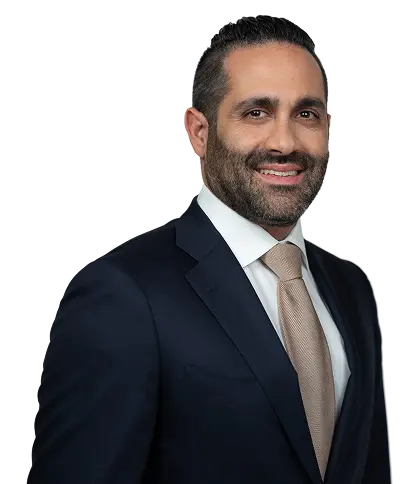




Your Battle, Our Compass:

Los Angeles Workplace Sexual Abuse Attorney

If you experienced sexual abuse or assault in your Los Angeles workplace, our attorneys are here to help. Compass Law Group has extensive experience handling workplace sexual abuse cases throughout Los Angeles County and is committed to holding employers and perpetrators accountable. Call us today for a free, confidential consultation at (213) 320-1001.

TL;DR — Sports/Coach Sexual Abuse Attorney San FranciscoA san francisco sports/coach sexual abuse attorney represents survivors of coach, trainer, and youth sports organization abuse in civil claims for compensation — entirely separate from any criminal prosecution. California’s AB 218 extended the statute of limitations for childhood sexual abuse to age 40 (or 5 years from discovery of harm), while AB 2777 reopened a lookback window for adult survivors previously barred by expired deadlines, making now a critical time for San Francisco survivors to evaluate their legal options. For a free, confidential case review, contact Compass Law Group, LLP at (213) 320-1001.

Sports and Coach Sexual Abuse Civil Law in San Francisco and San Francisco County

San Francisco and the broader San Francisco County region — encompassing youth leagues, collegiate athletic programs, private training facilities, and club sports organizations — have seen a significant rise in civil claims brought against coaches, trainers, and the institutions that employed them. Under California civil law, a survivor does not need a criminal conviction to recover damages; the civil standard of proof is preponderance of the evidence, a meaningfully lower bar than the criminal burden of beyond a reasonable doubt. Liable parties in San Francisco sports abuse cases can include individual coaches, school districts, private gyms, nonprofit athletic organizations, and governing bodies that knew or should have known abuse was occurring. AB 218, effective January 1, 2020, gives childhood sexual abuse survivors until age 40 — or five years from the date they discovered the psychological connection between their abuse and resulting injury — to file a civil claim in California court.

★★★★★
5.0 / 5
195 Google Reviews  ·  Read Reviews ↗

Who Can Be Held Liable for Sports/Coach Sexual Abuse in San Francisco?

Individual coaches, trainers, and athletic staff who directly commit sexual abuse bear personal liability for every act of harm. Under California Code of Civil Procedure §340.1, survivors of childhood sexual abuse have until age 40—or five years from the date they discover the connection between their injuries and the abuse—to file a civil claim, giving many San Francisco survivors a meaningful window to pursue accountability against the individuals who abused them.

Institutions rarely escape liability when their employees or agents are the abusers. Under the doctrine of respondeat superior, organizations such as San Francisco Unified School District athletic programs, Bay Area youth recreational leagues, and private sports academies can be held vicariously liable for abuse that occurred within the scope of an employee’s or volunteer’s duties and authority over young athletes.

Beyond vicarious liability, institutions face independent claims for negligent hiring, supervision, and retention when they failed to conduct background checks, disregarded red flags, or continued employing a known predator. San Francisco organizations including SF Recreation & Parks youth programs, YMCA of San Francisco, USA Swimming and USA Gymnastics regional affiliates, and private training facilities have faced exactly these claims when systemic oversight failures enabled repeated abuse.

  • Individual coaches, trainers, and athletic staff who committed the abuse
  • San Francisco Unified School District (SFUSD) and public school athletic programs
  • Private sports clubs, gymnastics academies, and martial arts schools operating in San Francisco
  • Youth sports organizations and leagues, including YMCA of San Francisco, AAU affiliates, and SF Recreation & Parks programs
  • National governing bodies (USA Gymnastics, USA Swimming, US Center for SafeSport) that failed to enforce mandatory reporting or background-check requirements
Call Compass Law Group — Free Consultation for School Sexual Abuse Survivors

Frequently Asked Questions: Sports/Coach Sexual Abuse Attorney San Francisco

California’s AB 2777, the Sexual Abuse and Cover-Up Accountability Act, created a three-year revival window under CCP §340.16 allowing survivors whose civil claims were previously time-barred to file suit by December 31, 2026, provided a defendant entity knew of, concealed, or failed to report the abuse. This window applies to sports organizations, private clubs, youth athletic leagues, and private coaching programs operating in San Francisco County. Survivors who missed earlier deadlines — including the AB 218 lookback window that closed December 31, 2022 — may still be eligible to file if their abuser’s institution engaged in a cover-up.

AB 218, signed in 2019, amended CCP §340.1 to allow childhood sexual abuse survivors to file civil claims until age 40, or within five years of discovering the psychological injury caused by the abuse — whichever is later. This extended deadline applies to survivors of coach or youth sports organization abuse who were minors at the time and were abused in San Francisco County. Because childhood trauma frequently delays a victim’s recognition of harm, the discovery rule under CCP §340.1 can push the filing window significantly beyond a survivor’s 40th birthday in cases involving repressed memory or delayed clinical diagnosis.

Yes, but claims against public entities like SFUSD or the San Francisco Recreation and Parks Department are governed by the California Government Claims Act (Government Code §911.2), which ordinarily requires a written tort claim to be filed with the relevant agency within six months of the incident before a lawsuit may proceed in San Francisco Superior Court. Courts have recognized tolling and delayed discovery protections for childhood sexual abuse survivors who were psychologically unable to identify their injury within the standard window, and the AB 2777 revival window through December 31, 2026 includes public entity defendants whose employees engaged in a cover-up. An attorney can seek a late claim application under Government Code §911.6 if the six-month administrative deadline was missed.

Liability can extend far beyond the individual perpetrator to include the sports organization that employed or supervised the coach, the facility owner where the abuse occurred, and national governing bodies such as USA Gymnastics or USA Swimming if they received and ignored prior complaints about the abuser. California’s negligent hiring, retention, and supervision doctrines permit plaintiffs to seek damages from any organization that knew or should have known of the coach’s propensity for abuse and failed to act. San Francisco Superior Court has jurisdiction over all civil claims arising from abuse that occurred in San Francisco County, regardless of whether the defendant organization is headquartered elsewhere.

California law permits survivors to pursue economic damages — including past and future therapy costs, medical expenses, and lost earning capacity — as well as non-economic damages for pain and suffering, emotional distress, and loss of enjoyment of life. In cases where a defendant organization engaged in deliberate concealment, courts may also award punitive damages under California Civil Code §3294 if the conduct is found to be malicious, oppressive, or fraudulent. Unlike medical malpractice claims capped under MICRA, there is no statutory cap on non-economic damages in sexual abuse civil actions in California.

Yes — California Penal Code §11165.7 expressly designates athletic coaches, sports instructors, and camp counselors as mandated reporters who must immediately report known or reasonably suspected child abuse to law enforcement or child protective services. Failure to make a required report is a misdemeanor under Penal Code §11166, and an organization’s systemic failure to enforce mandatory reporting obligations can independently establish institutional negligence in a civil lawsuit. In San Francisco, reports may be made to the San Francisco Police Department’s Child Abuse Detail or the San Francisco Human Services Agency’s Child Protective Services division.

California Code of Civil Procedure §367.3, added by SB 1169 in 2022, expressly permits sexual assault survivors to proceed under a pseudonym — such as Jane Doe or John Doe — in civil lawsuits filed in San Francisco Superior Court to protect their identity from public disclosure. The court may also issue protective orders under California Rules of Court, Rule 2.550, to seal sensitive records and limit access to identifying information in the case file. Your attorney should file the pseudonym designation and a protective order motion at the outset of litigation to ensure confidentiality is established before any documents become part of the public court record.

Unlike the AB 218 amendments to CCP §340.1 — which focus on childhood abuse — AB 2777 amended CCP §340.16 to revive previously time-barred civil claims for sexual assault committed against adults as well, provided a defendant entity knew of the abuse and took affirmative steps to conceal it. To qualify, a survivor must allege that the employing sports organization or a related entity received complaints, suppressed reports, or failed to remove the abuser despite knowledge of the risk. All qualifying claims under the AB 2777 window must be filed before December 31, 2026, and defense counsel will closely scrutinize the cover-up allegations, making early evidence preservation critical.

The California Government Claims Act (Government Code §810 et seq.) requires that before suing any public entity — including the City and County of San Francisco, SFUSD, or SF Rec & Park — a survivor must first present a written administrative tort claim to the relevant agency, generally within six months of the date of injury under Government Code §911.2. If the public agency formally rejects the claim, the survivor then has six months from the date of rejection to file a civil complaint in San Francisco Superior Court under Government Code §945.6. Courts have applied equitable tolling in childhood sexual abuse cases where a minor’s psychological injuries prevented timely recognition of the claim, but consultation with an attorney is essential to preserve these arguments.

Yes — the death of an individual perpetrator does not extinguish civil claims against the organizations, schools, or clubs that employed, supervised, or enabled the abuse, which are typically the defendants with meaningful financial resources. Under California Probate Code §550, claims may also be filed against a deceased defendant’s liability insurance carrier or estate within the probate administration period. A California court retains personal jurisdiction over any defendant whose tortious conduct occurred in San Francisco County, regardless of the defendant’s current location, so the coach’s relocation out of state does not bar litigation in San Francisco Superior Court.

To establish negligent supervision in California, a plaintiff must demonstrate that the organization knew or should have known the coach posed an unreasonable risk of harm — through prior written complaints, law enforcement inquiries, background check red flags, or observable grooming behaviors — and failed to take reasonable preventive action. Evidence commonly includes internal HR records, prior incident reports, hiring and background check documentation, communications between organization leadership and complainants, and testimony from other athletes or staff who raised concerns. California courts have held that an employer’s duty of care under the negligent retention doctrine attaches the moment the organization has actual or constructive knowledge of an employee’s dangerous propensity.

Key evidence includes medical and psychological records documenting the survivor’s diagnosed injuries, electronic communications such as text messages and social media exchanges between the coach and victim, personnel files reflecting whether the organization received prior abuse complaints, and expert testimony from trauma psychologists on the nature and duration of the survivor’s harm. Physical facility access records, coaching schedule logs, and financial records showing the organization’s liability insurance coverage are also obtained through civil discovery under California Code of Civil Procedure §2017.010. Records from any related San Francisco Police Department investigation or San Francisco District Attorney prosecution can be subpoenaed and introduced in civil proceedings to corroborate the survivor’s account.

The AB 2777 revival window closes at midnight on December 31, 2026, and previously time-barred claims filed after that date will be permanently extinguished — California appellate courts have consistently enforced legislative revival deadlines without equitable extension after the statutory period closes. Under CCP §583.210, the date the complaint is filed with San Francisco Superior Court — not the date of service on the defendant — generally controls for purposes of meeting the deadline. Given that institutional sexual abuse cases require extensive pre-filing investigation, expert consultation, and coordination of multiple survivor declarations, attorneys advise beginning formal case preparation no later than early 2025 to avoid deadline risk.

Multiple survivors from the same program can file individual civil lawsuits that may be formally coordinated under California Code of Civil Procedure §404 and California Rules of Court, Rules 3.521–3.536, which allow related cases filed in different counties to be assigned to a single judicial officer in San Francisco Superior Court for consolidated pre-trial proceedings. While California does not permit traditional class actions for individualized sexual abuse damages claims, coordination significantly reduces discovery costs and expert fees for each plaintiff by allowing depositions and document productions to be shared across cases. The Judicial Council of California receives coordination petitions and assigns the coordinated proceeding to a court with appropriate resources to manage complex multi-survivor litigation.

Yes — national governing bodies (NGBs) such as USA Gymnastics, USA Swimming, and USA Taekwondo can face civil liability in California courts if they failed to implement adequate athlete protection screening, ignored abuse complaints filed through official channels, or certified coaches who posed a known risk. The federal Protecting Young Victims from Sexual Abuse and Safe Sport Authorization Act of 2017 (36 U.S.C. §220541) imposes mandatory reporting and investigation duties on U.S. Olympic and Paralympic Sport NGBs, and violations of those statutory obligations can establish negligence per se under California law. Survivors abused at San Francisco-area clubs affiliated with these bodies should investigate whether the NGB’s membership files and abuse complaint records are obtainable through California civil discovery, as those documents frequently establish the organization’s prior knowledge of the perpetrator.

Sports/Coach Sexual Abuse — San Francisco — image 1
Los Angeles school hallway — school sexual abuse attorney

How We Value a Sports/Coach Sexual Abuse Case in San Francisco

Determining the full value of a sports or coach sexual abuse claim in San Francisco requires a comprehensive analysis of every harm the abuse caused — past, present, and future. Compensatory damages form the foundation of recovery and typically include the cost of therapy and ongoing mental health treatment, medical expenses, and lost wages or diminished earning capacity where the trauma has affected your ability to work. California courts in San Francisco County have awarded survivors significant sums for these documented losses, with psychological care alone often requiring years of treatment costing tens of thousands of dollars. At Compass Law Group, our attorneys — who have recovered more than $250 million for abuse survivors — begin every case with a full damages assessment so no harm goes uncompensated.

Beyond economic losses, California law allows substantial recovery for emotional distress, pain and suffering, and the loss of enjoyment of life. When an institution — a school district, athletic organization, sports club, or youth program — enabled or concealed the abuse, victims may also pursue punitive damages designed to punish that misconduct and deter future cover-ups. San Francisco County juries have demonstrated a willingness to hold powerful organizations accountable when internal failures allowed abuse to continue.

Under AB 218 and AB 2777, California law removed the cap on damages for childhood sexual abuse claims against institutions that concealed the misconduct, opening the door to unlimited financial recovery for qualifying survivors. These landmark statutes were enacted specifically to address institutional cover-ups in settings like youth sports programs. If you or a loved one suffered abuse by a coach or athletic staff member in San Francisco, call Compass Law Group today at (213) 320-1001 for a free, confidential case evaluation.

Sports/Coach Sexual Abuse — San Francisco — image 2
Los Angeles school building exterior — school sexual abuse lawsuit

What to Do If You Are a Sports/Coach Sexual Abuse Survivor in San Francisco

  1. Get to a Safe Environment — If you or your child are in immediate danger or ongoing contact with the abuser, remove yourself from that situation now and contact San Francisco Police Department at 415-553-0123. Your safety comes before any legal step.
  2. Write Down Everything You Remember — Document dates, locations, names of coaches or staff involved, and any witnesses while the details are still fresh. A written account created close in time to the events can become powerful evidence in a civil case.
  3. Report to Authorities and Sports Organizations — File a report with the SFPD and notify the relevant sports governing body, school district, or youth organization in writing. Reporting creates an official record and may trigger mandatory investigations that support your civil claim.
  4. Preserve All Evidence — Save text messages, emails, photographs, medical records, and any communications from the accused coach, team, or institution. Do not delete social media posts or messages, and ask witnesses to preserve their own records.
  5. Contact a San Francisco Sports/Coach Sexual Abuse Attorney — An experienced attorney can evaluate your claim under California’s extended statutes, identify all liable parties — including institutions that enabled or concealed abuse — and pursue maximum compensation on your behalf.
  6. Act Before the AB 2777 Deadline of December 31, 2026 — California’s AB 2777 opened a historic look-back window allowing survivors whose claims were previously time-barred to file civil lawsuits regardless of when the abuse occurred. This window closes permanently on December 31, 2026 — do not wait.

If you or a loved one suffered sports or coach sexual abuse in San Francisco, call our legal team today at (213) 320-1001 for a free, confidential consultation — we are here to help you understand your rights and take action before the AB 2777 deadline expires.

Call Compass Law Group — Free Consultation for School Sexual Abuse Survivors
COMPASS LAW GROUP — LOS ANGELES OFFICE

Do I have a case?

Contact us today for a free consultation.

This field is for validation purposes and should be left unchanged.

California's
Gold Standard
Injury Law Firm

With Joseph Shirazi and Simon Esfandi at the helm, our firm is a trusted name in accident law in California.

Meet Our Managing Partners

Joseph Shirazi
Managing Partner · CA Bar #265403

National Top 100 Trial Lawyers and Avvo 10.0 Superb. Loyola Law School graduate. Recognized for his $14,500,000 truck accident verdict and a $13,000,000 trial verdict.

Read Full Bio →
Simon Esfandi — Managing Partner
Simon Esfandi
Managing Partner · CA Bar #275307

Super Lawyers Rising Star. Southwestern Law School graduate. Led the firm’s $9,870,000 motorcycle accident settlement and a $2,250,000 rideshare recovery.

Read Full Bio →
Firm Recognition
  • ★ National Top 100 Trial Lawyers
  • ★ Super Lawyers Rising Star
  • ★ Avvo 10.0 Superb Rating
  • ★ Top 40 Under 40
  • ★ Consumer Attorneys of California · CAALA · AAJ

Total Recovered for Clients
$250,000,000+
$14.5M truck verdict · $13M trial verdict · $9.87M motorcycle · $5M car accident
Past results do not guarantee future outcomes. Every case is unique.
Client Rating
★★★★★ 5.0
193+ verified Google reviews · No win, no fee

Countless Real Client Reviews Verified by Google

Jerry

After 10 accidents and 9 attorneys, the client met Simon, who stood out for his honesty and clear communication. Years later, after another accident, the client called Simon and was impressed by his professionalism and follow-through. Simon explained everything, connected him with top doctors, and kept every promise. It was the first time the client felt truly supported—highly recommending Simon and Joseph for their integrity and dedication.

Jacob

Jacob was rear-ended by a big rig and left nearly paralyzed for a year. He found Cooper Law Group, and Joseph and Simon personally helped him through the legal process. Over two years, they ensured he got the medical care and surgeries he needed, helped repair his car, and secured the compensation he deserved. He highly recommends them for truly fighting for their clients.

Blandine

During the early days of COVID, Blandine was hit by a car while biking to work. Alone and unsure of what to do, they found Compass Law Group. Joseph was the first to respond with care and clarity. Throughout the case, the team—Joseph, Simon, and Julie—provided support, regular check-ins, and made the client feel safe and cared for. They now consider the firm like family and highly recommend them for their compassion and competence.

Understanding Your Rights:

Frequently Asked
Questions

Understanding whether a claim exists is one of the challenges of personal injury law. This is why we offer free initial consultations to help you make this determination and allow you an avenue to vindicate your rights.

We’re committed to fighting for the rights of accident victims throughout Southern California, and, unlike other California personal injury attorneys, we will take on any case if we can help, no matter how big or small.

Personal injury involves harm to an individual’s body or property caused by someone else’s negligence. It can range from minor to significant injuries, often requiring legal action to recover damages. We specialize in representing and securing fair settlements for such victims.

Our client-focused approach ensures personalized attention, detailed case building, and compelling evidence presentation. We’re skilled in negotiating settlements and prepared for trial with aggressive strategies. Our firm maintains transparent communication, involves clients in the process, and utilizes a wide network of expert witnesses and resources to strengthen cases. Choosing us means trusting a team dedicated to your success and justice.

No matter the injury size, you have rights that need defending. Many injuries seem minor at first but can worsen over time. Ignoring treatment or legal advice risks your health and compensation. Seek immediate medical and legal help after any accident to ensure proper diagnosis and strengthen your compensation claim.