





LAUSD’s $24 Million in AB 218 Sexual Abuse Settlements — How California’s Law Changed School Accountability
When California Governor Gavin Newsom signed Assembly Bill 218 into law in October 2019, survivors of childhood sexual abuse by school employees finally had something courts had long denied them: time. According to RAINN, fewer than 1 in 3 sexual violence incidents are ever reported to police — and for survivors abused as children in institutional settings, the path to justice was routinely sealed shut by rigid statutes of limitations. The Los Angeles Unified School District’s approximately $24 million in AB 218-enabled settlements stands as one of the most consequential demonstrations of what this law means for survivors who had been silenced for years, and for the institutions that failed them.
Key Takeaways
- AB 218, codified at CCP §340.1, permanently eliminated the statute of limitations for childhood sexual abuse in California — survivors can file a civil claim at any age, with no deadline.
- School districts like LAUSD can be held liable not only for the direct acts of individual abusers but also for negligent hiring, negligent retention, and negligent supervision of employees who committed abuse.
- Survivors should immediately preserve school records, medical and therapy documentation, and any communications involving school staff — and retain an attorney before speaking with the district or its insurance carrier.
- Compass Law Group, LLP has recovered more than $250 million for survivors across California. Consultations are completely free and confidential — you may remain anonymous — and there is never a fee unless we win your case.
What Did LAUSD’s $24 Million in AB 218 Settlements Mean for California Survivors?
The Los Angeles Unified School District’s approximately $24 million in sexual abuse settlements — many filed during the AB 218 lookback window that opened January 1, 2020 — sent a clear message across California: no school district is above accountability for the abuse it enabled, ignored, or actively concealed. Survivors who had previously been barred by the old three-year limitations period could, for the first time, bring civil claims that had languished in silence for decades. These cases involved teachers, coaches, and other LAUSD staff members whose abusive conduct had gone unpunished — in some cases for a generation.

For survivors in Los Angeles and throughout the district’s sprawling jurisdiction, the settlements represented something more than a financial outcome. They were a public reckoning. School districts occupy an extraordinary position of trust: parents and children rely on these institutions to provide a safe environment, and staff members are granted daily, unsupervised access that carries both a legal and moral duty of care. When that trust is violated — and when the institution then fails to act on warnings or reports — the consequences fall entirely on the child. Research from the CDC’s Violence Prevention program confirms that child sexual abuse is associated with lifelong mental health consequences including PTSD, depression, anxiety disorders, and substance use — costs that no settlement can fully address, but that justice can begin to acknowledge.
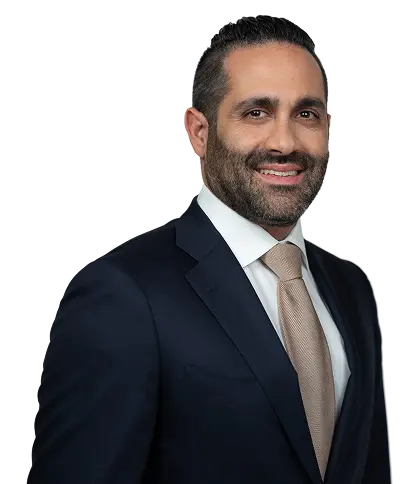
“LAUSD’s settlements under AB 218 changed the conversation about what institutional accountability actually looks like in California,” said Joseph Shirazi, Managing Partner of Compass Law Group, LLP. “When a school district pays $24 million in survivor claims — many filed decades after the abuse occurred — it tells every survivor in this state that the law now has their back, regardless of when the abuse happened.” For anyone seeking a Los Angeles sexual abuse lawyer, these settlements set a powerful legal and factual precedent for what is achievable.
How Did AB 218 (CCP §340.1) Make School Districts Accountable for Decades-Old Abuse?
Before AB 218, California required survivors of childhood sexual abuse to file civil claims by age 26, or within three years of discovering a psychological injury connected to the abuse — whichever occurred later. In practice, this meant that survivors who suppressed memories, feared retaliation, or did not understand their legal rights before that deadline lost their ability to sue permanently. AB 218, codified at CCP §340.1, made three transformative changes to California law.

First, it permanently eliminated the statute of limitations for civil claims arising from childhood sexual abuse. There is now no age deadline for filing — a survivor abused as a child in the 1970s, 1980s, or 1990s may still bring a claim today. Second, it created a three-year lookback window running from January 1, 2020 through December 31, 2022, temporarily reviving previously time-barred claims and allowing survivors to sue schools, churches, youth organizations, and other institutions for abuse that had occurred decades earlier. LAUSD’s $24 million in settlements arose primarily from claims filed during this lookback window. Third, it eliminated requirements that previously made it nearly impossible for survivors to prove a covered institution’s constructive knowledge of the abuse.
The lookback window has now closed, but AB 218’s permanent elimination of the statute of limitations remains fully in force. Any survivor abused as a child by a California school employee — whether at a public school, a charter school, or a private school — retains a live civil claim today. There is one critical procedural exception: when suing a government entity such as LAUSD, California’s Government Claims Act requires a formal notice to be filed within six months of discovering the injury, before a lawsuit can be initiated. A schools sexual abuse lawyer can prepare and file this notice on your behalf to protect your rights from the start.
A separate law — AB 2777, codified at CCP §340.16 — creates a parallel revival window specifically for adult survivors: those who were 18 or older at the time of the institutional abuse. This window closes permanently on December 31, 2026. If you or a family member experienced sexual abuse as an adult in an institutional setting and have not yet spoken with an attorney, time is running out to act.
Who Can Be Held Liable When a School Employee Sexually Abuses a Student in California?
One of the most important questions survivors ask is whether their legal claim can only be brought against the individual abuser — especially when that person has died, disappeared, or has no assets. The answer under California law is clear: the institution itself bears independent liability, and in many cases that institutional liability is where the meaningful financial recovery exists. LAUSD’s AB 218 settlements involved claims against the district as an entity, precisely because California law recognizes multiple and overlapping theories of institutional accountability.
The following parties may be held legally liable in a California school sexual abuse case:
- The individual abuser — the teacher, coach, counselor, administrator, or school employee who directly committed the abuse, regardless of their current status, location, or whether they have since left the district.
- The school district under respondeat superior — an employer, including a public school district, can be vicariously liable for wrongful acts committed by employees within the scope of their employment or using their position of authority to access victims.
- The district through negligent hiring — if LAUSD or another district hired an employee with a history of predatory conduct, criminal complaints, or prior incidents at other schools and failed to conduct adequate background checks, the district faces independent liability for that hiring decision.
- The district through negligent retention — if a district received reports, complaints, or credible warnings about an employee’s behavior toward students and failed to terminate or reassign that employee, the district can be held liable for negligent retention of a known danger.
- The district through negligent supervision — if the district failed to implement child protection protocols, allowed abusers unsupervised access to students, or ignored mandated reporting obligations, it may be independently liable for negligent supervision at the institutional level.
- Individual administrators and supervisors — in cases where principals, vice principals, or district administrators received reports and actively concealed abuse or failed to report it to law enforcement as required by law, those individuals may bear personal liability in addition to the district’s institutional exposure.
- Private and boarding schools — AB 218 applies to all California schools, not only public districts. A private school sexual abuse lawyer can pursue parallel institutional liability theories against non-public institutions, including boarding school sexual abuse claims, under the same framework of negligent hiring, retention, and supervision.
The breadth of potential defendants in these cases is one reason why survivors — including those working with a Beverly Hills sexual abuse attorney — often discover that their legal position is far stronger than they initially believed. Even when the direct perpetrator is judgment-proof or unreachable, institutional liability can sustain a substantial civil claim. Orange County school sexual abuse lawyer inquiries and cases from districts throughout Southern California are governed by these same principles.
What Compensation Can Survivors of School Sexual Abuse Recover in California?
A question survivors frequently ask — and one that LAUSD’s AB 218 settlements have answered in concrete financial terms — is what compensation is actually available under California law. The answer encompasses both economic and non-economic damages, and in cases involving deliberate institutional cover-ups, punitive damages as well. Recovery can be substantial, and the range of compensable harm under California law is intentionally broad to reflect the full, lifelong impact of abuse.

Survivors of school sexual abuse in California may be entitled to recover for:
- Therapy and counseling costs — past and future mental health treatment, including trauma-focused cognitive therapy, EMDR, group therapy, and any inpatient psychiatric care directly necessitated by the abuse and its aftermath.
- Medical expenses — physical injuries caused by the abuse, as well as somatic conditions and stress-related medical diagnoses that are causally connected to long-term unprocessed trauma.
- Lost wages and diminished earning capacity — where survivors can demonstrate that the psychological harm caused by the abuse affected their ability to sustain employment, complete education, or advance professionally over time.
- Pain and suffering and emotional distress — non-economic damages for ongoing psychological harm, PTSD, anxiety, depression, sleep disorders, and the loss of enjoyment of life caused by the abuse and its long shadow.
- Punitive damages under California Civil Code §52.4 — California Civil Code §52.4 allows punitive damages when the defendant engaged in malicious conduct, including actively concealing known abuse, retaliating against survivors who reported it, or deliberately shielding predatory employees from discipline or law enforcement.
The LAUSD settlements — individually and collectively — reflect the real financial weight that California courts and institutional insurance carriers now assign to these claims under AB 218. An experienced California sexual abuse attorney can evaluate the full measure of damages available in your specific case, including damages that reach back decades under the permanent elimination of the statute of limitations.
California Sexual Abuse Statistics: Why AB 218 Was Necessary
Understanding the scale of child sexual abuse in California and nationally is essential context for why AB 218 was necessary — and why LAUSD’s settlements represent only a fraction of the total institutional harm that has occurred in educational settings across the state.
1 in 4 girls and 1 in 13 boys in the United States experience sexual abuse during childhood, according to the CDC’s Violence Prevention data on child sexual abuse. In a typical California public school classroom, statistically multiple students may be current or future survivors of abuse occurring inside or outside the school environment.
Only 1 in 3 sexual violence incidents are ever reported to police, according to RAINN’s national sexual violence statistics. Reporting rates are even lower for childhood abuse occurring in institutional settings where authority figures — teachers, coaches, mentors — hold structural power over victims and can leverage that power to secure silence.
$24 million paid by LAUSD in AB 218-enabled settlements during and after the lookback window — a figure representing dozens of individual survivor claims and decades of unreported abuse within California’s largest school district, and a direct financial consequence of the district’s failure to adequately protect students in its care.
$250 million+ recovered by Compass Law Group, LLP on behalf of injury and abuse survivors across California — a record demonstrating that experienced, dedicated legal advocacy translates into meaningful financial accountability for survivors of serious institutional harm.
How Can Compass Law Group Help Survivors of LAUSD and School Sexual Abuse?
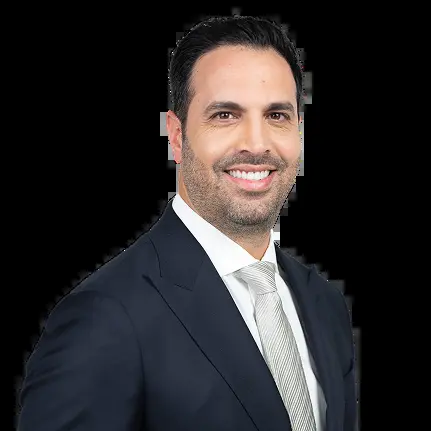
Compass Law Group, LLP was built on the conviction that survivors of serious institutional harm deserve fierce, personal legal representation — not a case number in a queue. With more than $250 million recovered for clients across California, attorneys Joseph Shirazi (California Bar #265403) and Simon Esfandi (California Bar #275307) have developed the experience, resources, and relationships necessary to take on the most powerful institutional defendants — including school districts with multi-billion-dollar budgets and experienced legal teams. The firm operates entirely on a no-win, no-fee basis: if we do not recover for you, you owe us nothing.
We understand that for most survivors, filing a lawsuit is not primarily about money. It is about being believed. It is about holding a school district publicly accountable in a way that prevents the same harm from happening to another child. It is about reclaiming a sense of agency that was taken away. Our trauma-informed approach means we work at your pace, we never press for details you are not ready to share, and we handle every communication with LAUSD’s attorneys and insurers so you never have to face them directly. From the first consultation to the resolution of your case, you are never alone in this process.
Compass Law Group serves survivors from offices spanning California — including Beverly Hills, Long Beach, San Francisco, Oakland, Sacramento, and Bell Gardens. Whether you need a Sacramento sexual abuse lawyer or representation for an LAUSD case in Southern California, our firm brings the same commitment and resources to every survivor we represent. Beyond school sexual abuse litigation, the firm also advocates for victims of serious institutional negligence across California, including those harmed in California bus accidents involving public transit or school transportation districts.
For survivors from Wilmington, East Los Angeles, the San Fernando Valley, and communities across LAUSD’s jurisdiction — as well as those from Orange County schools, private schools, and boarding school settings throughout the state — our attorneys are available seven days a week. Call (213) 320-1001 for a free, confidential consultation with no obligation and no pressure. For related context on LAUSD’s history of institutional accountability, see our analysis of the $200 million LAUSD–Mark Berndt settlement and what it means for California parents. Learn more about the full scope of how Compass Law Group fights for survivors across our areas of practice.
Q: Can I still sue LAUSD for sexual abuse that happened to me as a child decades ago?
Yes. Under AB 218, codified at CCP §340.1, California permanently eliminated the statute of limitations for childhood sexual abuse. There is no age limit or time deadline for filing a civil claim against LAUSD or any other California school district if the abuse occurred when you were a minor. However, government entities like LAUSD require a Government Claims Act notice to be filed within six months of discovering the injury before a lawsuit can proceed. Contact a school sexual abuse lawyer promptly — that six-month window is the one deadline that remains, and missing it can bar your claim.
Q: What is the difference between AB 218 and AB 2777, and how do I know which law applies to my case?
AB 218 (CCP §340.1) applies to survivors who were minors at the time of the abuse. It permanently eliminated the statute of limitations, meaning childhood sexual abuse survivors can sue at any age with no deadline. AB 2777 (CCP §340.16) applies to survivors who were 18 or older when the institutional abuse occurred. AB 2777 created a temporary revival window for adult survivors that closes permanently on December 31, 2026. If you were an adult at the time, you must act before that date. An attorney at Compass Law Group can review the specific facts of your case and confirm which law governs your claim.
Q: Do you handle school sexual abuse cases involving private schools, boarding schools, and schools outside Los Angeles?
Compass Law Group represents survivors of private school sexual abuse, boarding school sexual abuse, charter school abuse, and public school abuse throughout California — not only in the LAUSD service area. AB 218 applies to all California educational institutions. While Compass Law Group is a California-licensed firm, survivors searching for a school sexual abuse lawyer in New Mexico, an Arlington, TX school sexual abuse lawyer, or representation in other states should consult a licensed attorney in their jurisdiction, as AB 218 is California-specific. For California claims — including those from Orange County schools, Wilmington-area campuses, and institutions across the state — our attorneys are available for immediate, confidential consultations.
Q: Can LAUSD be held liable even if the individual abuser is deceased or cannot be located?
Yes. You do not need to locate the individual abuser to hold the school district financially accountable. California law imposes independent institutional liability on school districts for negligent hiring, negligent retention, and negligent supervision of employees. If LAUSD failed to conduct adequate background checks, ignored prior complaints about a staff member, or allowed a known risk unsupervised access to students, the district can be held fully liable regardless of whether the perpetrator is alive, identifiable, or solvent. An experienced California sexual abuse attorney can build a claim based on institutional records, personnel files, prior complaints, and witness testimony.
Q: Can I file a sexual abuse lawsuit against LAUSD anonymously and keep my identity private?
Yes. California courts routinely permit sexual abuse plaintiffs to file under a pseudonym — such as “Jane Doe” or “John Doe” — to protect their identity from public court records and media coverage. Compass Law Group offers completely confidential consultations: you may speak with our attorneys without disclosing your identity, and there is no obligation to proceed. If you decide to file a claim, your attorney will request appropriate confidentiality protections at the outset of the case. Privacy concerns should never stand between a survivor and a full understanding of their legal rights. Call (213) 320-1001 any time to speak with someone confidentially.
References
- California Code of Civil Procedure §340.1 (AB 218) — Sexual Abuse Statute of Limitations
- RAINN — Sexual Violence Statistics
- California Code of Civil Procedure §340.16 (AB 2777) — Adult Survivor Sexual Abuse Revival Window
California Sexual Abuse Lawsuit — Key Statistics

Steps to Take After Filing an AB 218 Claim Against a California School District
- Preserve all documentation immediately. Gather and secure any evidence connected to your case — school records, report cards, personnel files if accessible, photographs, medical records, therapy notes, and any written or digital communications involving school staff. Screenshot and back up emails, texts, and social media messages before they can be deleted or altered.
- File a Government Claims Act notice within 6 months of discovering the injury. When your claim is against LAUSD or any California public school district, you must submit a formal Government Claims Act notice within six months of discovering the injury before a civil lawsuit can proceed. Missing this deadline can bar your claim permanently. An attorney can prepare, file, and track this notice on your behalf.
- Retain an experienced school sexual abuse lawyer as early as possible. California’s institutional liability laws are complex, and school districts employ experienced in-house counsel and outside defense teams. A los angeles school sexual abuse lawyer can identify all potentially liable parties — not just the individual abuser — gather evidence before it is lost or destroyed, and protect your legal rights from the moment you reach out.
- Document the ongoing impact of the abuse on your daily life. Keep a contemporaneous written record of medical appointments, therapy sessions, missed work, symptoms of PTSD or anxiety, and the ways the abuse has affected your relationships, career, and well-being. This documentation becomes powerful evidence of the full scope of your damages and supports a higher recovery.
- Avoid direct communication with the school district or its insurers. Once you have a claim — or are even considering one — do not speak with LAUSD representatives, school administrators, or insurance adjusters without your attorney present. Statements made without legal counsel can be used to minimize your claim, shift blame, or undermine your credibility in litigation.
- Understand that you can remain completely anonymous throughout the process. California courts routinely permit sexual abuse plaintiffs to proceed under a pseudonym such as “Jane Doe” or “John Doe,” protecting your identity from public court records. Compass Law Group offers fully confidential consultations — you may speak with us without identifying yourself, and your privacy is protected at every stage of the legal process.
- Review whether CCP §340.16 (AB 2777) applies if the abuse occurred when you were an adult. If you were 18 or older at the time of the institutional sexual abuse, the revival window under CCP §340.16 may apply — but it closes permanently on December 31, 2026. Contact an attorney now to confirm your eligibility and preserve your right to file before that irreversible deadline.