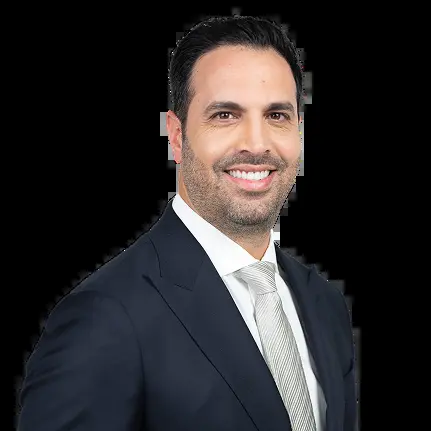






“Insurance companies make a calculated bet that injured riders will accept quick, low offers before understanding the full value of their claim,” says Joseph Shirazi, Managing Partner of Compass Law Group, LLP. “By the time most people realize the true cost of a serious motorcycle injury — including future surgeries, lost earning capacity, and long-term rehabilitation — critical negotiation windows have already closed.” That gap between what adjusters know and what unrepresented victims know is precisely why so many motorcycle accident settlements fall far short of what California law actually allows.
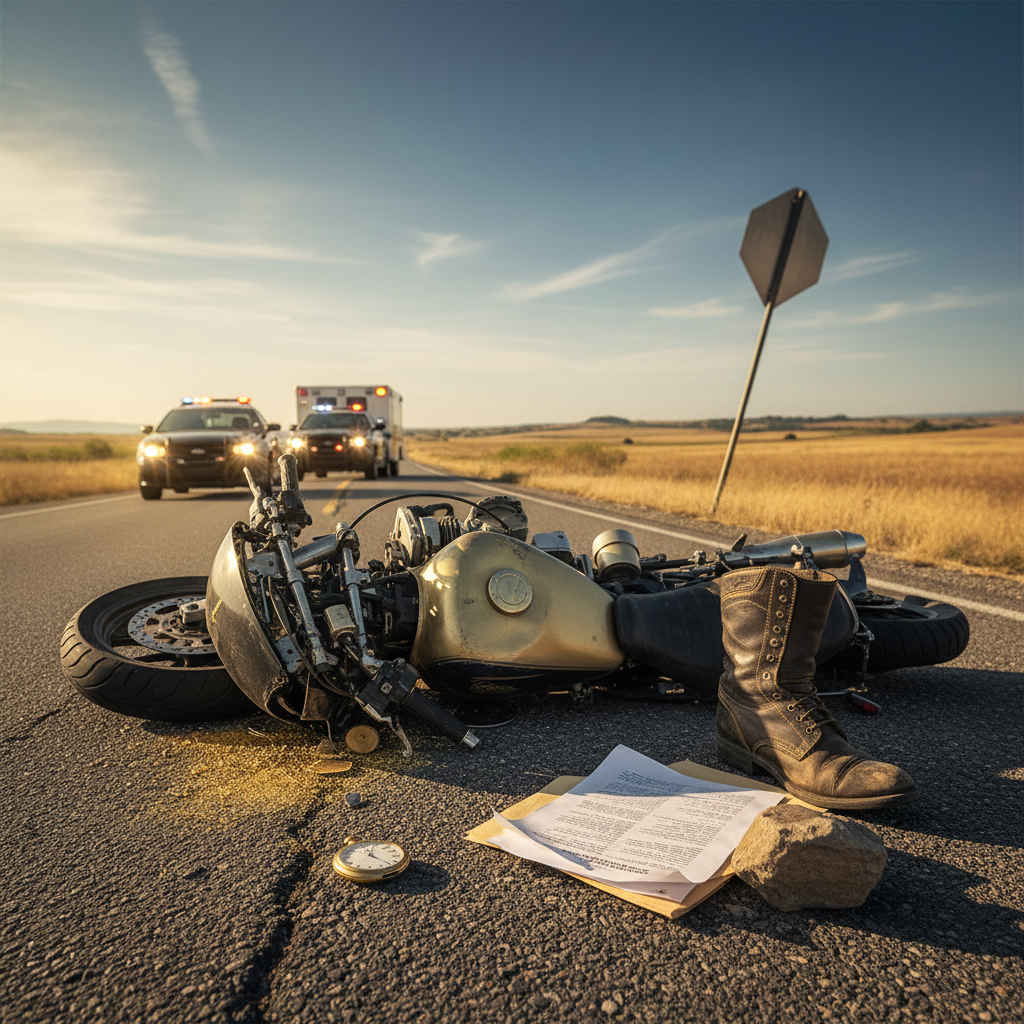
Unlike occupants of enclosed vehicles, motorcyclists have no protective cage, no airbags, and no crumple zones to absorb the force of impact. When a rider is struck at highway speed, the body absorbs that energy directly. The resulting injuries are frequently catastrophic: compound fractures, traumatic brain injury, spinal cord damage, severe road rash leading to infection, and internal organ trauma. California law enforcement has recorded more than 500 motorcycle fatalities per year in recent periods — and for every fatality, thousands more riders are left with permanent, life-altering consequences.
Source: Compass Law Group | Motorcycle Accident Settlements

Why Are Motorcycle Accident Injuries in California So Catastrophic?
The financial toll matches the physical one. Emergency surgery after a serious motorcycle crash can cost between $30,000 and $150,000 for the initial hospitalization alone. Extended inpatient rehabilitation adds tens of thousands more, and for riders who suffer spinal cord injuries, lifetime care costs can reach into the millions. These figures form the foundation of a comprehensive damages claim — but only if an experienced motorcycle accident lawyer is retained early enough to build and preserve the evidence supporting them.
What California Laws Apply to Your Motorcycle Accident Claim?
California’s legal framework for motorcycle accidents draws from multiple intersecting statutes. The foundational duty of care is established by California Civil Code § 1714, which holds that every person is responsible for injuries caused by their failure to exercise ordinary care in the management of their person or property. When a driver runs a red light, fails to check a blind spot, or operates a vehicle while impaired, that breach of duty establishes the core of a negligence claim.
California applies a pure comparative fault doctrine, meaning an injured motorcyclist can recover damages even if they share some responsibility for the crash. If a jury assigns you 25% fault on a $600,000 claim, your net recovery is $450,000 — still a life-changing outcome. This is materially more plaintiff-friendly than contributory negligence states where any fault bars recovery entirely. However, the percentage of fault allocated to each party matters enormously, and insurance companies routinely inflate the rider’s assigned fault to reduce payouts. A skilled attorney’s ability to challenge those attributions directly affects your bottom line.
The California Vehicle Code adds rules specific to riders. California Vehicle Code § 27803 requires all motorcycle operators and passengers to wear a properly fitted, DOT-approved helmet. Failure to comply will be raised by defense counsel for any head-related injury. Lane filtering — riding between lanes of slowed or stopped traffic — is addressed under CVC § 21658.1 and is legal in California, though its manner of execution may factor into comparative fault analysis. For a clear-eyed assessment of how these statutes apply to your specific facts, consult our Los Angeles motorcycle accident lawyer team at no cost.
Who Can Be Held Liable After a Motorcycle Crash in California?
One of the most consequential decisions in any motorcycle case is identifying every potentially liable party — not just the most obvious one. Insurance adjusters represent their own insured’s interests and will not volunteer information about additional defendants or coverage layers available to you. A thorough independent investigation often reveals liability that the at-fault driver’s carrier has no incentive to disclose.
When a commercial vehicle is involved, liability frequently extends beyond the driver to their employer under the respondeat superior doctrine. A qualified truck accident lawyer can subpoena driver logs, maintenance records, and dispatching data to establish that a trucking company’s systemic failures — not just one driver’s momentary lapse — caused the crash. Similarly, if a road defect, missing guardrail, or faulty traffic signal contributed to the collision, a government entity may share liability. Claims against public agencies in California require a Government Tort Claim filed within just six months of the injury — a deadline that frequently expires before unrepresented victims realize it exists.
The following parties may all bear legal responsibility in a California motorcycle accident:
- Negligent motorists — drivers who failed to yield, changed lanes unsafely, ran red lights, drove while distracted or impaired, or made unsafe left turns across a rider’s path
- Employers of at-fault drivers — companies whose employees cause crashes in the course and scope of employment face vicarious liability under California agency law
- Vehicle or parts manufacturers — defective tires, brake assemblies, throttle components, or other parts create strict product liability against the manufacturer regardless of negligence
- Government entities — dangerous road surfaces, missing warning signs, deteriorated lane markings, and malfunctioning signals can expose city, county, or state agencies to liability
- Vehicle owners — California’s permissive use doctrine may extend liability to the registered owner who allowed a negligent driver to operate their vehicle
- Dram shop defendants — bars, restaurants, or social hosts who served alcohol to a visibly intoxicated person who then caused a crash may face liability under California social host and dram shop principles
Identifying every liable party requires prompt action — evidence deteriorates, witnesses’ memories fade, and critical deadlines pass quickly. Our team helps injury victims across California investigate every avenue of accountability so nothing of value is left on the table.
California Motorcycle Accident Settlement Statistics
Settlement values in motorcycle cases vary widely, but data reveals a consistent pattern: cases involving severe or permanent injuries, clear liability, and experienced legal representation consistently produce the highest outcomes. The figures below reflect national and California-specific research that shapes how insurers, judges, and juries evaluate these claims.

- $75,000–$200,000 — Typical settlement range for moderate motorcycle injuries involving documented fractures, soft tissue damage, and medical treatment spanning three to six months
- $500,000–$1.5 million+ — Representative range for severe cases involving traumatic brain injury, spinal cord damage, multiple surgeries, or permanent disability
- 6,011 — Motorcyclists killed in the United States in 2022, per NHTSA’s 2022 Traffic Safety Facts
- 526 — Motorcycle fatalities recorded in California in 2022 alone — more than any other state in that reporting period (NHTSA)
- 28× — How much more likely a motorcyclist is to die in a crash per vehicle mile traveled compared to a passenger car occupant (NHTSA, Traffic Safety Facts)
- 80% — Percentage of reported motorcycle crashes that result in injury or death, versus approximately 20% for passenger vehicle crashes (NHTSA, Traffic Safety Facts)
Insurance adjusters are well aware of these figures — and they use actuarial models built on this data to calculate minimum settlement offers designed to close files quickly and cheaply. Victims who retain an attorney before settling consistently recover more than those who negotiate alone. For a detailed breakdown of how settlement ranges are calculated and what moves a case toward the higher end, review our dedicated resource on average motorcycle accident settlement amounts in California.
What Damages Can You Recover in a Motorcycle Accident Claim?
California law entitles injured motorcyclists to recover both economic and non-economic damages — and in cases involving egregious misconduct, punitive damages as well. Understanding each category is essential to recognizing when an insurance settlement offer is inadequate before you accept it and permanently release your legal rights.
Economic damages represent concrete, measurable financial losses: emergency room treatment, surgery, hospitalization, physical and occupational therapy, prescription medications, durable medical equipment, future medical expenses, lost wages, diminished earning capacity, motorcycle repair or replacement, and all out-of-pocket costs caused by the injury. These losses are substantiated through medical billing records, employment documentation, tax returns, and expert testimony from economists and life-care planners who project the cost of future needs with actuarial precision.
Non-economic damages compensate for losses that carry no receipt but are no less real: physical pain and suffering, emotional distress, loss of enjoyment of life, anxiety, depression, and — where applicable — loss of consortium for a spouse or domestic partner. California imposes no cap on non-economic damages in personal injury cases, which means cases involving severe, long-term suffering can produce substantial awards entirely separate from documented bills. When a crash causes a traumatic brain injury — among the most common and devastating outcomes of a motorcycle accident — cognitive impairment, personality changes, and lost quality of life can far exceed the calculable medical expenses.
Several key factors directly affect where a case falls within the settlement range:
- Injury severity and permanence — Permanent disability, disfigurement, paralysis, and cognitive impairment produce the highest valuations in California courts and settlement negotiations
- Liability clarity — Dashcam footage, traffic camera video, eyewitness accounts, and a decisive police report support premium settlements; contested liability cases are worth less under uncertainty
- Available insurance coverage — California’s minimum liability requirement is just $15,000 per person; serious injuries routinely exceed this limit, making underinsured motorist (UIM) coverage and umbrella policies critical to full recovery
- Quality and consistency of medical treatment — Prompt, uninterrupted care with detailed records creates the evidentiary chain linking injuries to the crash; gaps in treatment give defense counsel room to argue pre-existing conditions or voluntary failure to mitigate
- Comparative fault allocation — Every percentage point of fault attributed to the motorcyclist reduces the net award under California’s pure comparative negligence rule
- Presence of aggravating conduct — Drunk driving, reckless speeding, or deliberate disregard for others’ safety can support a separate claim for punitive damages under California Civil Code § 3294
Our attorneys have recovered maximum-value settlements and verdicts for injured riders across Los Angeles and throughout the state. Riders in Northern California can reach our dedicated Sacramento motorcycle accident lawyer team for the same level of investigation and advocacy.
Source: Compass Law Group | Motorcycle Accident Settlements
Steps to Take After a Motorcycle Accident
The actions you take in the hours and days following a motorcycle crash can strengthen or weaken your eventual claim significantly. Insurance companies activate their own investigative teams quickly — often before you have been discharged from the hospital. Taking deliberate action from the outset protects your rights and positions you for the strongest possible recovery.
- Call 911 immediately — Report the accident and request emergency services regardless of apparent injury severity. A police report establishes the other driver’s information, preserves witness identities, and documents the officer’s preliminary fault assessment — critical evidence that becomes harder to obtain with every passing hour.
- Accept emergency medical evaluation — Even when you feel functional in the immediate aftermath of a crash, seek a full medical examination that same day. Adrenaline routinely masks traumatic brain injury, internal bleeding, and spinal trauma. Prompt records create the direct evidentiary link between the crash and your injuries — a connection that delays in treatment significantly weaken.
- Document the scene thoroughly — If you are physically able, photograph the crash site from multiple angles: vehicle positions, road conditions and surface defects, skid marks, traffic controls, your motorcycle’s damage, and the other vehicle’s license plate. Photograph your visible injuries before they are cleaned or treated.
- Collect witness contact information — Obtain the name, phone number, and address of every person who witnessed the crash or its immediate aftermath. Eyewitness accounts are often decisive in disputed liability cases, and availability fades rapidly with time.
- Preserve all physical evidence — Do not repair, alter, or discard your motorcycle, helmet, or riding gear. A damaged helmet, torn jacket, and visibly crushed fairing are physical evidence of impact force. Retain all medical bills, receipts, insurer correspondence, and documentation of missed workdays.
- Decline to give a recorded statement to the adverse insurer — Adjusters are professionally trained to elicit statements that minimize or defeat your claim. You have no legal obligation to provide a recorded statement to the other driver’s carrier. Decline politely and consult an attorney first.
- Contact a motorcycle accident attorney before accepting any offer — California’s two-year personal injury statute of limitations (CCP § 335.1) may sound like ample time, but government entity claims require a filing within six months — a deadline that can expire before victims realize it applies. Call Compass Law Group at (213) 320-1001 for a free consultation before you sign anything.
Source: Compass Law Group | Motorcycle Accident Settlements

How Compass Law Group Builds Your Case
Compass Law Group, LLP has recovered more than $250 million for injured Californians, and motorcycle accident claims represent some of our most hard-fought victories. Our founding attorneys, Joseph Shirazi (Bar #265403) and Simon Esfandi (Bar #275307), built this firm on the conviction that injured riders deserve the same caliber of legal representation that large insurance corporations retain — professional investigators, credentialed expert witnesses, and the genuine ability to try a case. Our Beverly Hills headquarters anchors a statewide practice with offices in Los Angeles, Long Beach, San Francisco, Oakland, Sacramento, and Bell Gardens.
Our process begins with a thorough, cost-free case evaluation and an independent crash investigation. We retain accident reconstruction specialists to establish mechanical causation, subpoena surveillance footage before it is overwritten on 30-day loops, secure electronic data from commercial vehicles, and engage medical experts who can testify credibly about the full scope of present and future needs. When early settlement offers fail to reflect those needs, we do not pressure clients to accept — we prepare the case for trial. Our litigation record is precisely what gives us leverage at the negotiating table: insurers know we will take a case to verdict if they do not pay fair value.
We handle every motorcycle accident case on a strict No Win, No Fee contingency — you pay no legal fees unless we recover compensation for you. For additional context on what these cases are typically worth, read our detailed resource on what is the average settlement in a motorcycle accident, or see our recent analysis of motorcycle accident settlement values for additional perspective. To speak directly with a California motorcycle accident attorney today, call (213) 320-1001 or (800) 602-4010.
Q: How long does it take to settle a motorcycle accident case in California?
Most California motorcycle accident cases resolve within 12 to 24 months. Cases that settle before a lawsuit is filed tend to close within 6–12 months after the injured rider reaches maximum medical improvement (MMI). Complex cases involving disputed liability, catastrophic injuries, or government defendants can take 3–5 years if trial is required. Settling before MMI almost always means accepting less than your case is worth, because future medical costs are still unknown. An attorney will advise on the right timing to maximize your recovery.
Q: What if I was partially at fault for the motorcycle accident?
California’s pure comparative negligence rule allows you to recover damages even if you were partially responsible. Your award is reduced by your percentage of fault — if you are found 25% at fault on a $400,000 claim, you still recover $300,000. This is significantly more plaintiff-friendly than contributory negligence states, where any fault bars all recovery. Insurance companies routinely exaggerate the injured rider’s share of fault to shrink payouts; an experienced attorney can challenge inflated fault attributions through independent investigation and expert accident reconstruction.
Q: Can I recover compensation if I was not wearing a helmet during the crash?
Yes, though your compensation for head-related injuries may be reduced. California requires DOT-approved helmets under CVC § 27803, and defense counsel will argue that helmet non-use contributed to any head trauma you sustained. For injuries unrelated to the head — fractures, spinal injuries, internal trauma — helmet non-use is generally not causally relevant and should not affect those damage categories. An experienced attorney can isolate and limit the comparative fault argument to minimize its impact on your total recovery.
Q: Does lane splitting affect my motorcycle accident settlement in California?
Lane filtering is legal in California under CVC § 21658.1, but insurers and defense attorneys routinely cite it as evidence of comparative fault — particularly if speed or conditions were questionable. Whether lane filtering contributed to the accident depends on specific circumstances: speed differential, traffic density, visibility, and the other driver’s maneuver all matter. California courts have recognized that lawful lane filtering at reasonable speeds does not automatically constitute negligence. An attorney who understands California’s lane-filtering law can counter these arguments and protect the full value of your claim.
Q: What is the average payout for a motorcycle accident involving a traumatic brain injury in California?
Motorcycle accident cases involving traumatic brain injury in California typically settle between $500,000 and several million dollars. Severe TBIs resulting in permanent cognitive impairment, behavioral changes, or inability to work frequently exceed $2–$5 million when properly built with neuropsychological evaluation, life-care planning, and forensic economic analysis. Because TBI symptoms can be subtle in the first weeks after a crash, a comprehensive neurological evaluation is critical even if initial imaging appears normal. Compass Law Group has the expert network and litigation experience to develop and present these complex damages cases effectively.
Get Your Free Consultation Today
If you or a loved one was injured in a California motorcycle accident, Compass Law Group is ready to investigate your case, confront the insurance company, and fight for every dollar you deserve. No Win, No Fee — you pay nothing unless we recover for you.